Japan Weather by Season: What to Expect and How to Plan
Some links on this page are affiliate links. If you book or buy through them we may earn a commission at no extra cost to you. We only recommend things we would use ourselves.
There is no single "Japan weather". The country is long, mountainous and spread across several climates, so the right time to visit depends on where you are going and what you want to do. This guide follows the Japan National Tourism Organization (JNTO) weather page season by season, and adds practical advice that we label "Our view".
Start with the point JNTO itself makes: the weather varies greatly from region to region, so JNTO advises checking the forecast for the areas you will visit[1].
Why one forecast is not enough
JNTO notes that Japan stretches from the northernmost island of Hokkaido to the subtropics of Okinawa[2]. It also notes that dense forest and mountainous terrain cover 70 percent of the country[3]. That range is why a forecast for Tokyo tells you little about Sapporo or Naha.
Our view: build your trip around one or two regions, not the whole country, and check the forecast for each region close to your dates.
Spring: blossoms, then rain
JNTO says that in spring the cherry blossoms bloom between March and May depending on your location, starting in the south and moving north[4]. After that, the rainy season begins in May to June[5].
JNTO adds that spring is a comfortable time to get out and explore the cities and countryside[6]. Our view: spring suits first-time visitors who want comfortable walking weather, but blossom timing moves from year to year. Our cherry blossom guide explains how to plan around an uncertain bloom without relying on a prediction.
Summer: heat and typhoons
The JNTO page is direct: summer throughout Japan is stiflingly hot and intensely humid[7]. It also warns that August and September may bring typhoons that can thwart your travel plans[8].
Our view: if you travel in summer, build slack into your plans so a typhoon or a heat warning does not break the whole trip. Choose flexible bookings where you can.
Autumn: colour from north to south
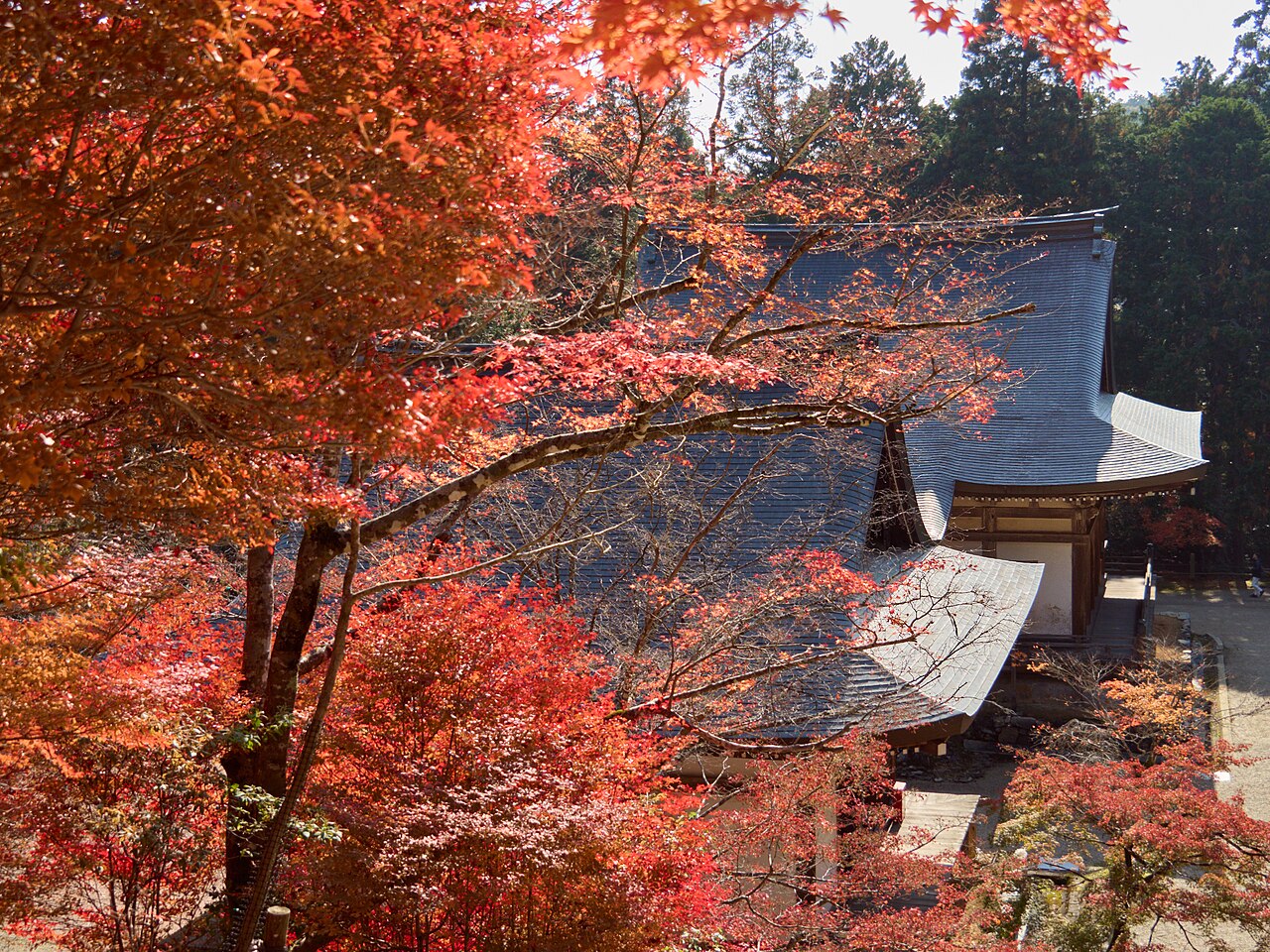
For autumn, JNTO says autumn leaves blanket the country between late September and early December, starting in Hokkaido and moving south[10]. JNTO adds that like spring, the fall season is perfect for outdoor exploration[11]. Our view: that makes autumn a second strong season for temples and gardens.
Our view: Kyoto is a natural base for autumn colour, and our Kyoto accommodation guide compares areas. Our Nara day trip guide adds a half-day option nearby.
Winter: sun, snow and hot food
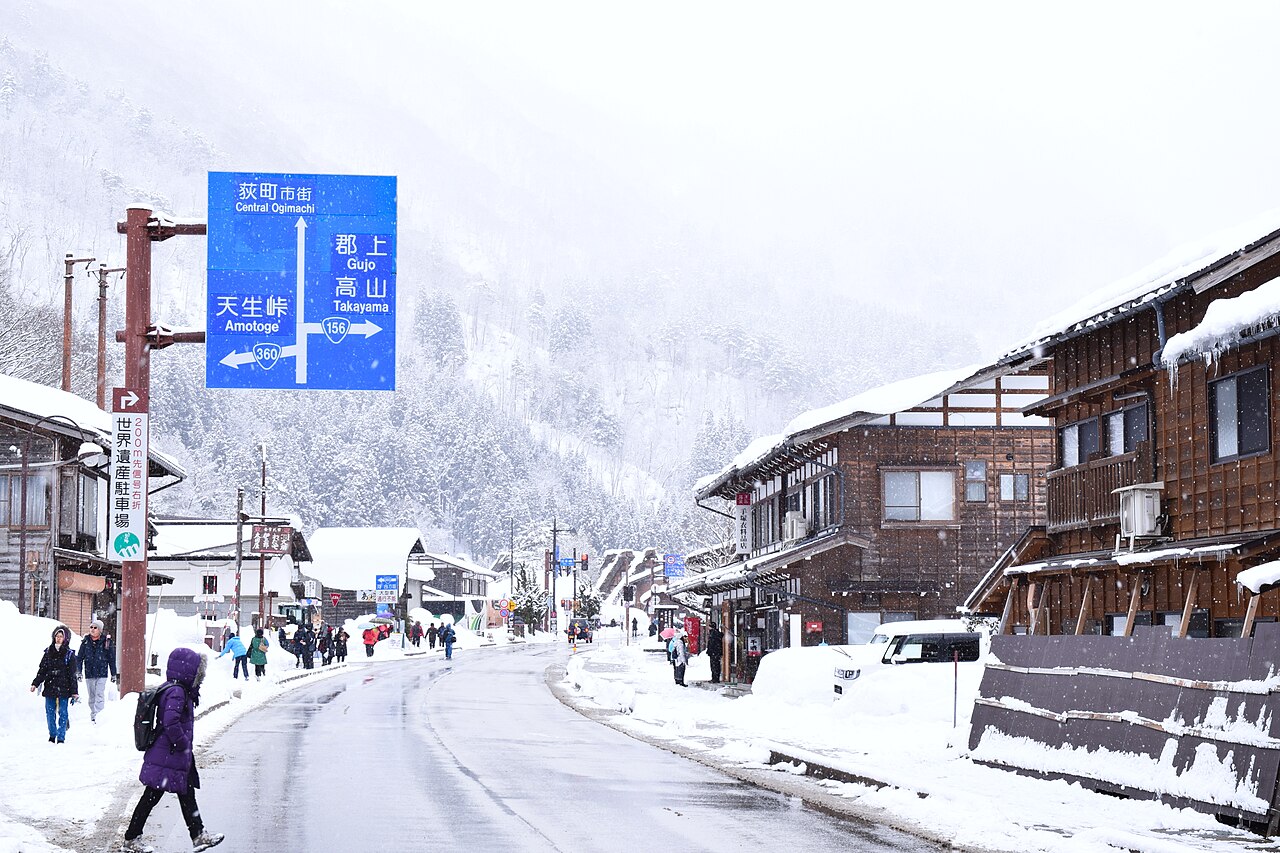
JNTO describes winter this way: winter brings many sunny days and beautiful blue skies, and the ski season begins[12]. Our view: winter works well for a city trip with an onsen stop, or for a ski trip in the northern areas, and it is usually a quieter season for sightseeing.
Earthquakes and volcanoes
JNTO does not hide the geology: Japan is located on the fault lines of four tectonic plates, making earthquakes a common occurrence[13]. It also says Japan has over 100 active volcanos, most of which are not a threat to human activity[14].
For visitors, the practical advice is on the same page: before your trip, JNTO advises familiarizing yourself with earthquake preparedness and locating the designated evacuation area for the buildings where you stay[15]. Our view: do this check at the hotel on the first night. It takes a minute and it is the one preparation step JNTO asks you to take.
How to use the forecast
The JNTO page treats the forecast as something you check for each area you will visit. Our view: make a short list of the regions on your route and look at each one a few days before you leave, then again the evening before each travel day. A route that crosses several regions, such as Tokyo, Kyoto and Osaka, can still see different conditions on the same day, and a single check at the start of the trip will not catch that.
Our view: pack for the season you will mostly be in, and treat the first morning as a test. If it is hot and humid, plan your outdoor sightseeing for the cooler parts of the day, and keep the afternoon for museums, department stores and long meals. If it is cool, layers are easier to adjust than one heavy coat. None of this replaces the official guidance above, but it makes the guidance easy to act on.
Choosing your season
| If you want | Look at |
|---|---|
| Blossoms and mild walking weather | Spring, with a flexible plan |
| Festivals and beaches, and you accept the heat | Summer, with typhoon flexibility |
| Autumn colour and comfortable temperatures | Autumn |
| Skiing, hot springs and quieter cities | Winter |
Booking tips
- Choose flexible cancellation for spring and autumn peaks, since timing can shift.
- Check typhoon and heat alerts before summer travel.
- Look at the region, not the country when you check the forecast.
You can compare hotels on Booking.com and activities on Klook. Read each listing's cancellation terms before you pay. Our 7-day itinerary shows how a first trip fits together in any season.
FAQ
What is the best season to visit Japan?
JNTO describes spring as a comfortable time to explore the cities and countryside, and autumn as perfect for outdoor exploration. The best choice depends on whether you want blossoms, autumn colour, snow or festivals.
When is the rainy season?
JNTO says the rainy season begins in May to June.
Is Japan hot in summer?
JNTO says summer throughout Japan is stiflingly hot and intensely humid, and it links heat illness prevention information.
Are there typhoons?
JNTO says August and September may bring typhoons that can thwart your travel plans.
Should I worry about earthquakes?
JNTO says earthquakes are a common occurrence, and it advises you to learn about earthquake preparedness and locate the evacuation area at your hotel.
Sources
- Regional weather: JNTO: Weather & Geography
- Geographic range: JNTO: Weather & Geography
- Terrain: JNTO: Weather & Geography
- Spring: JNTO: Weather & Geography
- Rainy season: JNTO: Weather & Geography
- Spring comfort: JNTO: Weather & Geography
- Summer: JNTO: Weather & Geography
- Typhoons: JNTO: Weather & Geography
- Heat illness: JNTO: Weather & Geography
- Autumn: JNTO: Weather & Geography
- Autumn outdoors: JNTO: Weather & Geography
- Winter: JNTO: Weather & Geography
- Earthquakes: JNTO: Weather & Geography
- Volcanos: JNTO: Weather & Geography
- Earthquake preparation: JNTO: Weather & Geography