7 Days in Japan: Tokyo, Kyoto & Osaka Itinerary for First-Timers
Some links on this page are affiliate links. If you book or buy through them we may earn a commission at no extra cost to you. We only recommend things we would use ourselves.
One week is enough for the classic route if you keep it simple: three nights in Tokyo, three in Kyoto with a day trip to Nara, and a final day in Osaka before you fly out. This plan favours fewer, better days over a long list of sights.
It assumes you arrive in Tokyo, travel west and depart from the Osaka area. If you fly in and out of the same city, adjust the last day. We give travel times only where an official source states them. Opening hours and tickets for individual sights change by season, so check each sight's official page before you go.
How this itinerary is built
Seven days sounds like plenty, but moving between cities takes a half day once you add packing, getting to the station and checking in. To keep the trip relaxed we use two moves: Tokyo to Kyoto by bullet train, and Kyoto to Osaka by a short train ride. Everything else is a day trip from a base.
Two decisions help before you start. First, set up a transit card so you can tap through gates; see our IC card guide. Second, decide whether a rail pass makes sense. For a short route, run the sum in our rail pass guide before you buy.
Day 1: Arrive in Tokyo
Aim for a gentle first day. After you land, travel to your hotel, drop your bags and take a short walk. Have an early dinner and sleep on local time. If you have not arranged mobile data, read our eSIM vs pocket WiFi comparison and install a plan before you leave home.
Choose your base carefully, because you return to it every evening. Our guide to where to stay in Tokyo compares the main areas. You can compare hotels and cancellation terms on Booking.com.
Day 2: Old and new Tokyo
Start in Asakusa. The official tourism guide describes Sensoji as Tokyo's oldest temple[1], and the temple is the heart of the area. Visit early if you prefer fewer people. Then cross the city to Shibuya for the famous crossing and an afternoon of browsing, and finish with dinner nearby. If you enjoy guided experiences, a food walk or evening tour on Klook can add structure.
Day 3: Harajuku, Meiji Shrine and Shinjuku
Spend the morning at Meiji Shrine, set in a large wooded park beside Harajuku. Walk on to the shopping streets of Harajuku, then take a train to Shinjuku for the afternoon and evening. The official guide says Shinjuku Station is on all the JR lines, the Keio Line, the Odakyu Electric Railway, the Tokyo Metro Marunouchi Line, and the Toei Shinjuku and Oedo lines[2], which makes it easy to get back to almost anywhere.
Day 4: Bullet train to Kyoto
Check out in the morning and take the Tokaido Shinkansen from Tokyo Station to Kyoto. JR Central gives the trip as about 130 minutes[3]. You can check fares and book on JR Central's official Shinkansen booking and fares site[4]. If you hold a pass, remember the pass rule: NOZOMI and MIZUHO trains are not covered by the pass and need a separate ticket[5].
Drop your luggage at the hotel, or look into luggage forwarding so you do not carry bags through the station. Spend the afternoon in the Higashiyama area, then walk to Gion for dinner. If you want to hold a pass for the whole week, you can compare seller options through an authorised Japan Rail Pass seller.
Day 5: Fushimi Inari and central Kyoto
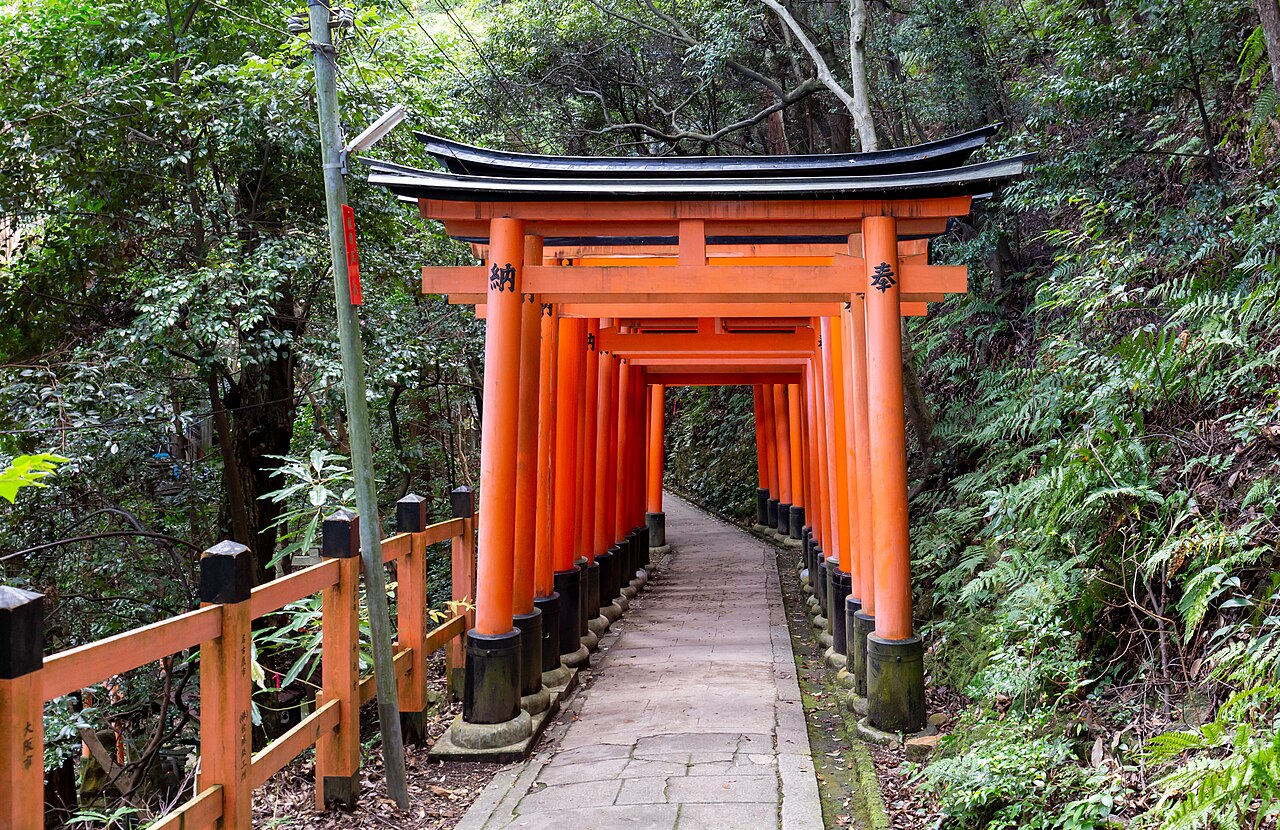
The Kyoto City Tourism Association gives the journey from Kyoto Station to the shrine as about 9 minutes from Kyoto Station by the JR Nara Line[6]. Check the shrine's own official page for current hours and any rules, and go early if you prefer fewer crowds. You do not need to climb the whole mountain; the lower sections give you the classic views of the red gates.
In the afternoon, choose between a temple visit and a slow walk through the old streets of central Kyoto. If you want a tea ceremony or a kimono rental, book ahead for the time you want.
Day 6: Day trip to Nara
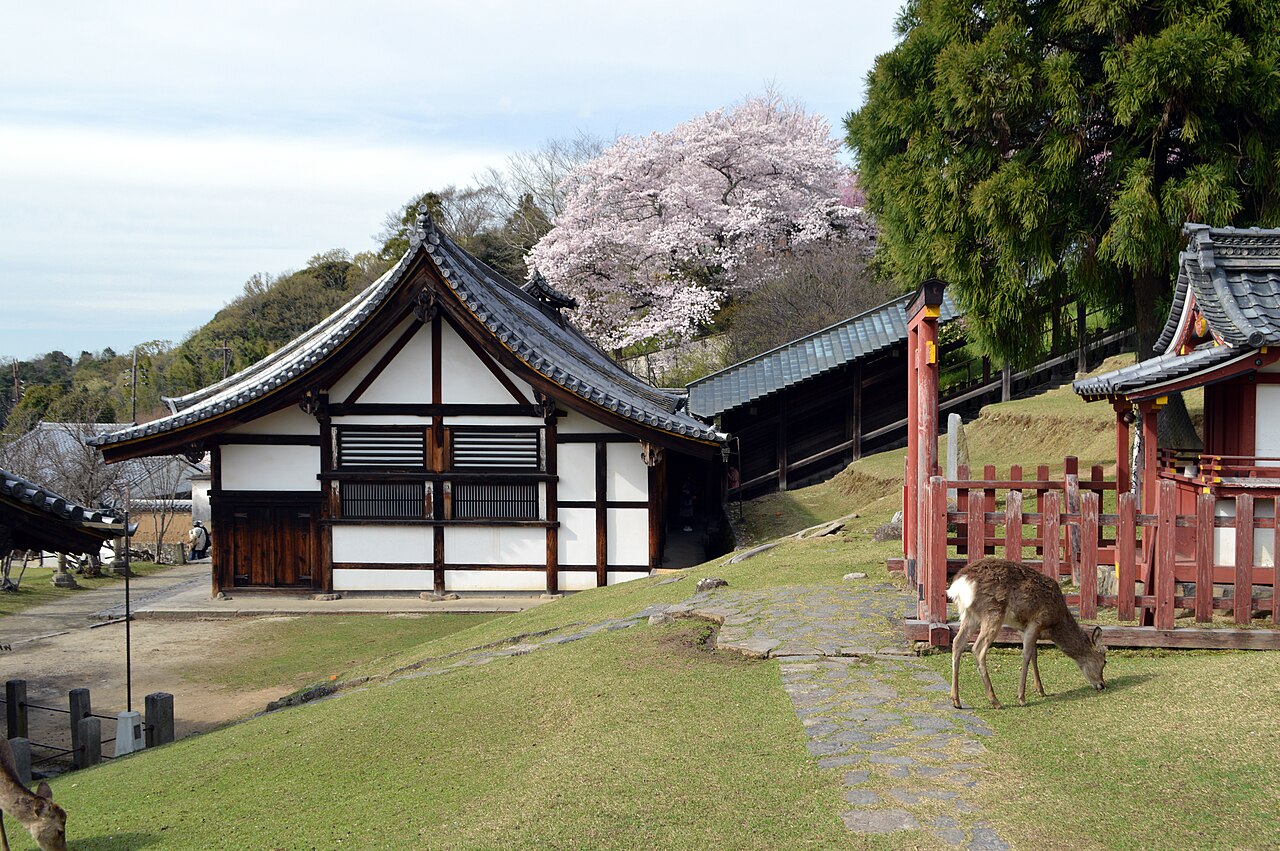
The official Nara travel guide gives the journey as about 41 minutes on the JR Rapid from Kyoto to JR Nara Station[7]; Kintetsu trains are an alternative, so check the operators' timetables. In Nara, walk through the park area (see the official Nara Park area guide[8]) and visit Todai-ji. The deer are wild animals, so follow the park's official guidance on feeding and keep food out of reach.
If you prefer something quieter, spend the day around Arashiyama instead. Doing both in one day is possible but rushed.
Day 7: Osaka and departure
Take a short train to Osaka. Leave your bags at your hotel or a station locker, then explore. Osaka is known for its food, so plan a meal rather than a checklist of sights. Allow a generous buffer for your trip to the airport, and check the official transfer information for your airport on your travel day.
Choosing where to base yourself
Two bases are enough for this route:
- Tokyo (nights 1 to 3): see our hotel area guide for Shinjuku, Asakusa and the Tokyo Station area.
- Kyoto (nights 4 to 6): near Kyoto Station for transport, or in an older part of the city for atmosphere. This is our editorial view; check each area's access before you book.
Compare hotels with flexible cancellation, particularly for busy dates. Everything in this itinerary can be adjusted if a booking falls through.
What to skip if you are short on time
- Extra cities. Resist adding more cities to a seven-day plan unless you drop something else.
- Long queues for trending restaurants. Choose neighbourhood places instead.
- Overpacked days. Two main activities a day is a healthy pace.
FAQ
Is 7 days enough for Tokyo, Kyoto and Osaka?
Yes, if you accept that you will see highlights rather than everything. This plan uses two main moves to protect your time.
Should I buy a Japan Rail Pass for this itinerary?
Do the sum in our rail pass guide first, using the official price and the fares for your dates.
How do I get from Tokyo to Kyoto?
By the Tokaido Shinkansen from Tokyo Station. JR Central gives the journey as about 130 minutes.
Where should I stay in Tokyo and Kyoto?
Our hotel guide explains the options for Tokyo. In Kyoto, choose between being close to the station or in an older area, and check access before you book.
What is the best time of year for this trip?
We do not give a ranking here because we have no sourced data for it. Check the tourism organisation's official pages for seasonal information and events.
Sources
- Sensoji, Asakusa: GO TOKYO: Sensoji Temple
- Rail access at Shinjuku Station: GO TOKYO: A guide to Shinjuku
- Tokyo to Kyoto on the Tokaido Shinkansen: JR Central: Kyoto by Shinkansen
- Where to look up Tokaido Shinkansen fares and timetables: JR Central: Shinkansen Travel Site
- Pass coverage of NOZOMI/MIZUHO: Japan Rail Pass official site: Use of NOZOMI/MIZUHO trains
- Getting to Fushimi Inari Taisha: Kyoto City Tourism Association: Access to Fushimi Inari
- Kyoto to Nara by JR: Official Nara Travel Guide: Travel to Nara
- Official area guide for Nara Park: Official Nara Travel Guide: Nara Park