When and Where to See Cherry Blossoms in Japan
Some links on this page are affiliate links. If you book or buy through them we may earn a commission at no extra cost to you. We only recommend things we would use ourselves.
The cherry blossom season is not a single date. It is a wave that starts in the south and moves north, so the best plan is a flexible one: pick a window, choose a base that lets you shift by a few days, and check the official forecast shortly before you travel.
This guide uses the Japan National Tourism Organization and the Tokyo tourism board as its sources, linked in the Sources box. We do not predict bloom dates, because nobody can do that reliably months ahead. Where we give advice, we label it as our view.
How the season moves across the country
The national tourism organisation says that the sakura season runs from the latter half of March to as late as early May[1]. That is a long window, which is good news: if your trip falls somewhere in it, there is usually a place in bloom.
On the direction of travel, it explains that the season begins on the island of Kyushu, in southwestern Japan, in March, and daily updates then track the sakura front as it moves north[2]. It also describes how the warmer climates of Kyushu and Shikoku see the first action in early spring, with late spring viewing in mountain areas, as well as in Tohoku and Hokkaido[3].
Our view: this is why trips that cover several regions can see more than one stage of blossoms. A route that moves north can follow the bloom, while a route that stays in one city sees one short stretch.
Tokyo: late March to early April
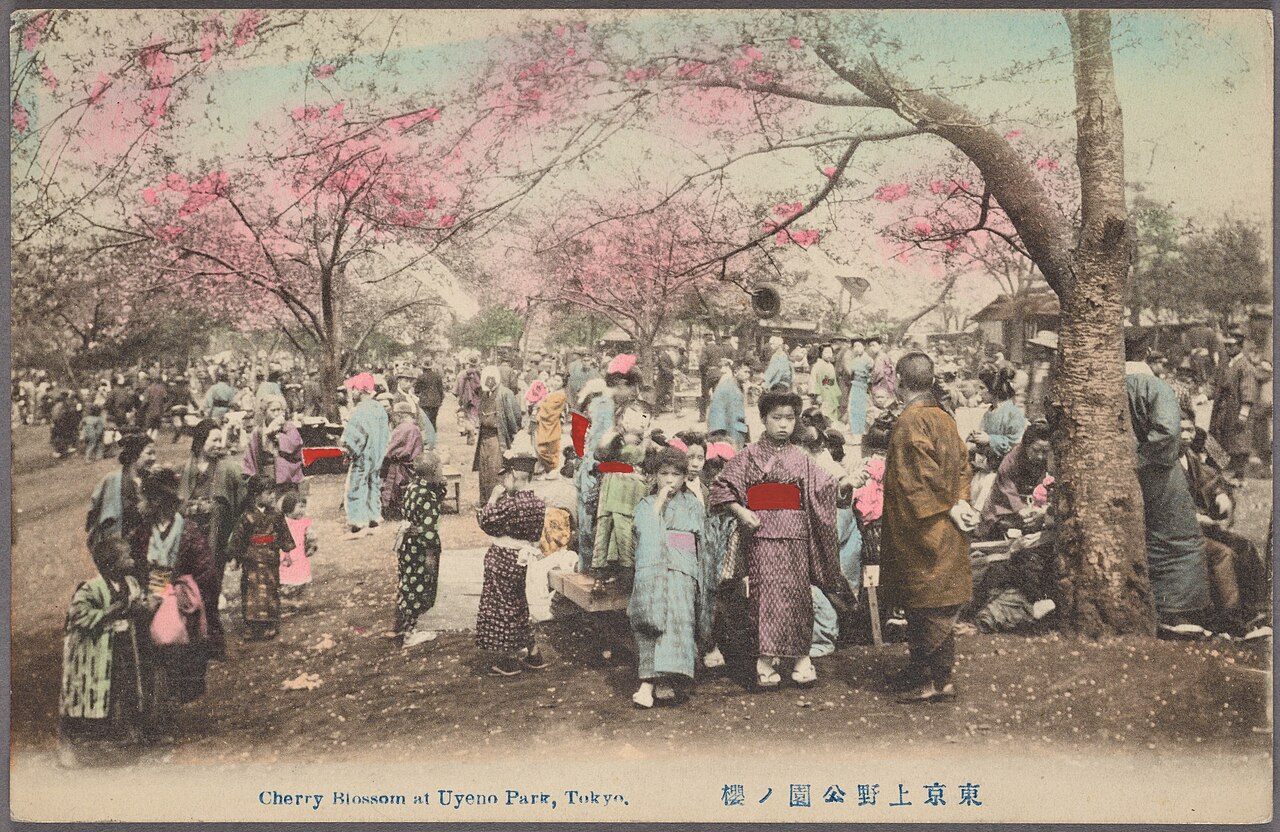
The Tokyo tourism board says that from late March to early April, Tokyo transforms as cherry blossom fever grips the city[4]. It adds that people flock to parks to hold hanami parties and picnics to view and photograph the flowers[5].
On timing within a single place, the same page notes that it normally takes about one week to 10 days from flowering to full bloom[6]. That matters for your plan: a bloom is not a day, it is a short period, and weather can shorten it.
For evening viewing, the page describes one example: Rikugien Gardens holds a Spring Special Evening Opening when its weeping cherry trees are illuminated[7]. Our view: if you are in Tokyo, check whether an evening opening is running during your dates, since these events are scheduled by the park each year.
If you are choosing where to sleep in Tokyo, our Tokyo area guide compares the main bases.
Understanding the forecast
Forecasts are published by a weather organisation and repeated by the tourism board. The national tourism organisation notes that the forecast figures it publishes are sourced from the Japan Weather Association[8], and it states plainly that the forecast is subject to change due to weather conditions[9].
Our view: treat any forecast as a guide that firms up in the last few weeks. Before you go, look at the latest published forecast for the cities on your route, and compare it to the dates you have booked. Do not rely on an old article, including this one, for specific dates.
Trees to look for
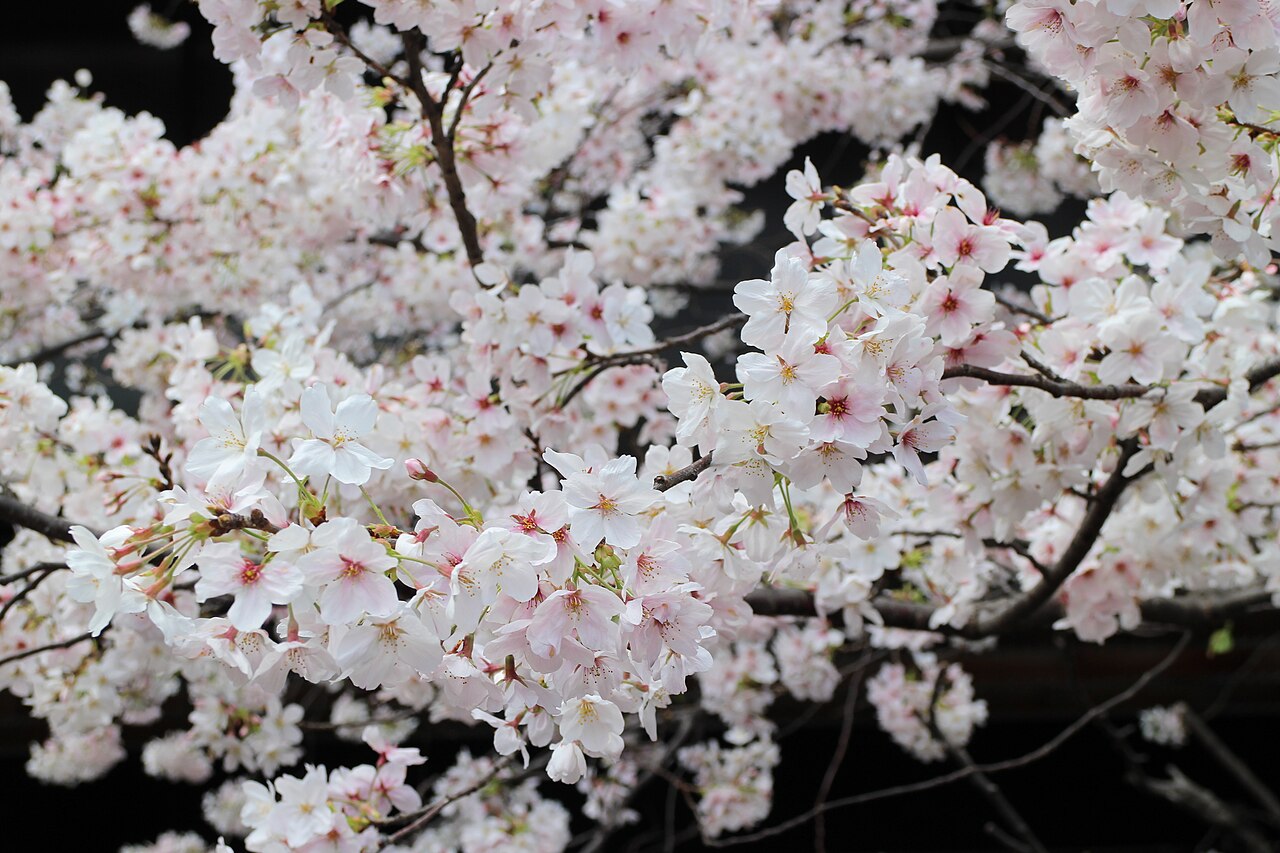
The national tourism organisation says that Somei-Yoshino, with their abundance of pale pink blossoms, are the most common cherry trees in Japan, and weeping cherry trees (shidare-zakura) are often found in parks and along riverbanks[10]. Knowing the type helps you read what you see. If a tree has pale pink blossoms in large numbers, it is probably the common variety; a weeping tree with branches that fall like a curtain is the other one the page highlights.
Beyond the big cities
For a different feel, the national tourism organisation suggests Himeji Castle is among its suggestions for cherry blossoms framed around an iconic castle[11]. For travellers whose dates fall later in the season, it also lists that it points to late-blooming options such as Ashino Park in Aomori and Matsumae Park in Hokkaido, which has late spring cherry blossoms and castle views[12].
Our view: these are good ideas for a second trip, or for travellers who find the main cities too busy during blossom time. The further you are from the big cities, the more you need to check transport and accommodation in advance.
| If your dates are | Our suggestion |
|---|---|
| Early in the season | Look to the south and the warmer regions |
| In the middle | Main cities such as Tokyo; check the latest forecast |
| Later | Mountain areas, Tohoku or Hokkaido |
A simple planning checklist
- Pick a window, not a day. The official page describes a long season, so choose a range of dates.
- Book flexible rates. Cancellation rules matter more than the exact price in blossom season, because plans shift with the weather.
- Check the forecast close to travel. Use the latest published forecast for each city on your route.
- Plan for crowds. Parks fill up on pleasant days; our view is that early mornings are calmer.
- Think about transport. Local trains are the easy way to reach most parks; see our IC card guide for paying for them.
You can compare flexible hotel options and cancellation terms on Booking.com. If you would rather join a guided hanami experience, you can look at tours on Klook and read what is included before booking.
How this fits in your trip
Blossom time is a popular time to travel, so your base matters. Our Kyoto area guide helps you choose where to stay in the old capital, and our 7-day itinerary shows a route you can adjust around the bloom. If you plan a day out of Tokyo, see our day trips guide.
FAQ
When is the cherry blossom season in Japan?
The national tourism organisation says the season runs from the latter half of March to as late as early May, starting in the south and moving north.
When is the best time to see cherry blossoms in Tokyo?
The Tokyo tourism board says Tokyo transforms from late March to early April. It also notes that it normally takes about one week to 10 days from flowering to full bloom.
Can I rely on a forecast made months ahead?
No. The official forecast page states that forecasts are subject to change due to weather conditions, so check the latest one close to your travel dates.
What if my dates are later in spring?
The national tourism organisation points to late-blooming places in Aomori and Hokkaido, and notes late spring viewing in mountain areas and Tohoku.
Which trees will I see most often?
According to the national tourism organisation, Somei-Yoshino is the most common tree in Japan, and weeping cherry trees are often found in parks and along riverbanks.
Sources
- Length of the sakura season: Japan National Tourism Organization: Cherry blossom forecast
- Where the season starts: Japan National Tourism Organization: Cherry blossom forecast
- Regional order of bloom: Japan National Tourism Organization: Cherry blossom forecast
- Tokyo's cherry blossom window: GO TOKYO: When and where to see cherry blossoms in Tokyo
- Hanami in Tokyo: GO TOKYO: When and where to see cherry blossoms in Tokyo
- Time from first flowers to full bloom: GO TOKYO: When and where to see cherry blossoms in Tokyo
- Night viewing (yozakura) example: GO TOKYO: When and where to see cherry blossoms in Tokyo
- Forecast source: Japan National Tourism Organization: Cherry blossom forecast
- Forecast caveat: Japan National Tourism Organization: Cherry blossom forecast
- Common varieties: Japan National Tourism Organization: Cherry blossom forecast
- Himeji Castle suggestion: Japan National Tourism Organization: Cherry blossom forecast
- Late-blooming places: Japan National Tourism Organization: Cherry blossom forecast