Do You Need Travel Insurance for Japan?
Some links on this page are affiliate links. If you book or buy through them we may earn a commission at no extra cost to you. We only recommend things we would use ourselves.
Short answer: yes, get it. The Japan National Tourism Organization (JNTO) states that it is strongly recommended that all travelers to Japan get travel insurance[1]. JNTO also notes that Japan is famously one of the safest places in which to live or travel[2], but a single hospital visit without cover can still be a problem, and the official guidance says why.
This guide summarises JNTO's insurance and hotline pages. Where we give opinion, we label it "Our view", so sourced guidance and editorial advice stay separate. It is general information, not advice about a specific policy, so read your own policy documents.
Why the official guide recommends it
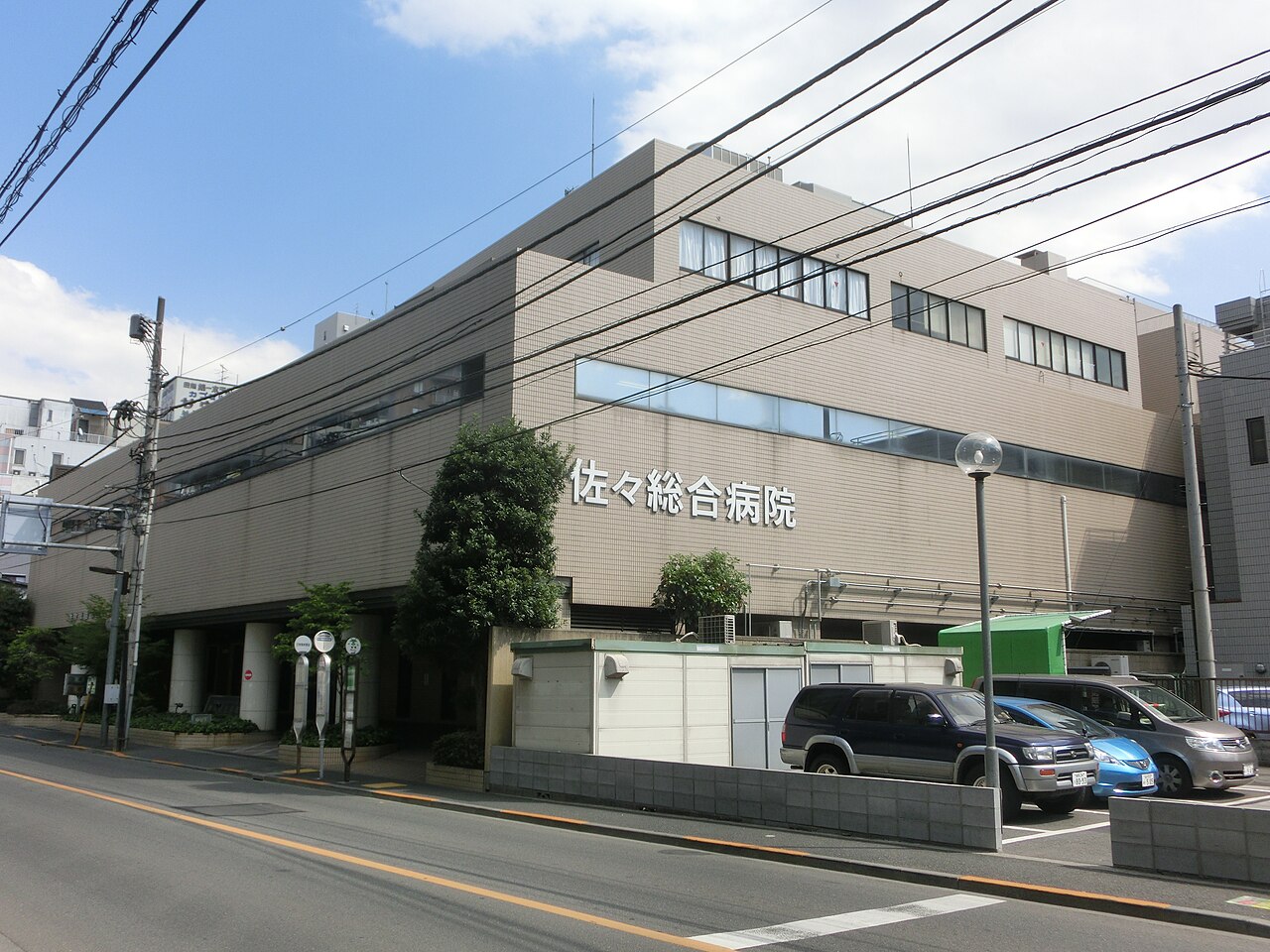
JNTO points to three reasons. First, it says medical service in Japan is advanced, but treatment can be expensive[3]. Second, it cites a Japan Tourism Agency survey: one in twenty people suffers from sickness or injuries while abroad[4]. Third, it warns that since 2021, foreigners who have unpaid medical expense in Japan may be restricted or refused entry to Japan[5].
Our view: the third point is the easiest to overlook. Even if you would rather accept the risk of an unexpected bill, an unpaid bill can create a problem the next time you want to enter Japan.
What to check in a policy
JNTO gives a short checklist. Use it as a comparison tool when you look at policies.
Each point comes from the JNTO page:
- Separate from health insurance. JNTO says travel insurance is a separate and different product from any health insurance you might have at home[6].
- Cashless or upfront. It explains that with cashless service your insurer pays the medical providers directly, while other insurers may require you to pay upfront[7].
- Pre-existing conditions. JNTO notes that if you have a chronic disease, this will affect your travel insurance coverage[8].
- Activities. The page says some particularly dangerous activities may not be covered[9].
- Third parties. It adds that you should check whether your insurance provides compensation for damages or injuries to third parties[10].
Our view: the cashless question is the one worth asking first. A policy that reimburses you later is still useful, but you need enough funds or credit available to pay at the time of treatment.
Credit card cover and buying after arrival
JNTO says some credit card companies also offer travel insurance coverage, so ask your card provider for details before leaving[11]. Our view: cover through a card can be a good starting point, but confirm the details with your card provider, as the page itself asks, and compare them against the checklist above.
If you forget to buy before departure, JNTO says you can also sign up for travel insurance once you arrive in Japan[12]. It points to a Japan Tourism Agency website for safe travel where you can buy a policy online.
If you get sick or injured
JNTO's page gives the basic facts. the number to dial for an ambulance is 119[13]. The hotline page also lists police 110 and fire or ambulance 119[14].
For language help, JNTO notes that some medical facilities offer services in foreign languages, but not all do[15]. It adds that the AMDA International Medical Information Center website offers advice and translation services[16], and that your insurer may also offer emergency translation.
The Japan Visitor Hotline
The hotline is not insurance, but it is worth saving. JNTO says the Japan Visitor Hotline, run by JNTO, is open 24 hours a day, 365 days a year[17]. It also says the hotline supports English, Chinese and Korean[18], and lists +81-50-3816-2787 from overseas (050-3816-2787 within Japan)[19] as the number. The page describes it as a place to call for tourist information or assistance in an accident or emergency.
Our recommendation
You can compare policies through a travel insurance provider. Read the exclusions, the claim process and the cancellation terms before you buy.
Other planning guides
Insurance is one part of preparation. If you are working out connectivity so you can reach your insurer abroad, see our eSIM and pocket WiFi guide. For transport, our IC card guide covers cards and our rail pass guide covers longer trips. For a full route, see our 7-day itinerary.
FAQ
Is travel insurance mandatory for Japan?
JNTO's page says it is strongly recommended for all travelers. It does not describe it as an entry requirement.
Can I buy travel insurance after I arrive in Japan?
Yes. JNTO says you can sign up once you arrive, and points to a Japan Tourism Agency website for safe travel.
Does my credit card already cover me?
Possibly. JNTO says some credit card companies offer travel insurance coverage, and asks you to confirm the details with your card provider before leaving.
What number do I call for an ambulance?
JNTO says the number to dial for an ambulance is 119.
Is there a help line for visitors?
Yes. The Japan Visitor Hotline is run by JNTO and is open around the clock, with support in English, Chinese and Korean.
Sources
- Insurance recommendation: JNTO: Travel Insurance in Japan
- Safety of travel in Japan: JNTO: Travel Insurance in Japan
- Medical costs: JNTO: Travel Insurance in Japan
- Japan Tourism Agency survey: JNTO: Travel Insurance in Japan
- Unpaid medical bills: JNTO: Travel Insurance in Japan
- Travel vs health insurance: JNTO: Travel Insurance in Japan
- Cashless service: JNTO: Travel Insurance in Japan
- Chronic conditions: JNTO: Travel Insurance in Japan
- Dangerous activities: JNTO: Travel Insurance in Japan
- Third-party liability: JNTO: Travel Insurance in Japan
- Credit card cover: JNTO: Travel Insurance in Japan
- Buying after arrival: JNTO: Travel Insurance in Japan
- Ambulance number: JNTO: Travel Insurance in Japan
- Emergency numbers: JNTO: Japan Visitor Hotline
- Language support: JNTO: Travel Insurance in Japan
- AMDA: JNTO: Travel Insurance in Japan
- Hotline hours: JNTO: Japan Visitor Hotline
- Hotline languages: JNTO: Japan Visitor Hotline
- Hotline number: JNTO: Japan Visitor Hotline