Where to Stay in Kyoto: Best Areas and Hotel Types
Some links on this page are affiliate links. If you book or buy through them we may earn a commission at no extra cost to you. We only recommend things we would use ourselves.
Choose your Kyoto base by how you will move around, not by which neighbourhood looks prettiest in photos. Kyoto Station suits easy arrivals and departures, Shijo-Kawaramachi suits food and shopping, Gion and Higashiyama suit an old-Kyoto atmosphere, and the Gosho or Arashiyama areas suit a quieter stay.
This guide follows the Kyoto City Tourism Association's own description of each area, which we link in the Sources box. Where we give an opinion, we label it as our view, so you can tell sourced information from editorial advice.
First, understand how Kyoto works
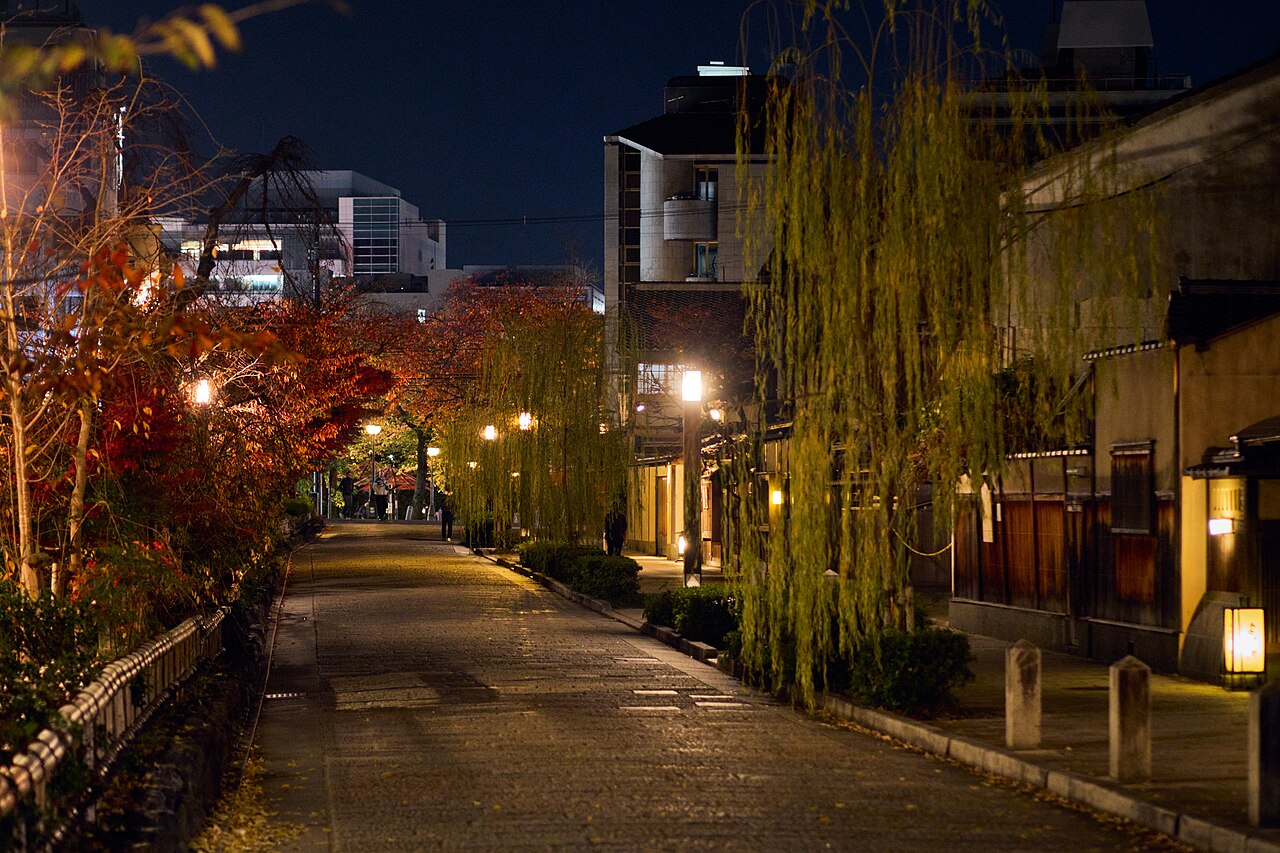
Kyoto is not one compact old town. The official guide says that the central part of Kyoto City spans roughly twenty kilometers east to west and north to south, so one-way access to most of its locations is possible within an hour[1]. That is good news for planning: wherever you stay in the centre, most sights are within about an hour.
The same page gives transport advice that should shape your choice: buses can be very crowded depending on the season, and trains and subways (Kyoto City Subway, JR, Hankyu and Keihan) are recommended for traveling in all directions[2]. Our view: this means a hotel near a station or subway stop matters more in Kyoto than a hotel with a good view, because you will lose time on a crowded bus if your base is far from the rail network.
Kyoto Station area: simplest for arrivals
The official guide describes the Kyoto Station area has many large hotels and business hotels, making it relatively easy to find vacancies even during peak seasons[3]. It also says the JR lines through this area give access to places such as Fushimi Inari Shrine, Tofuku-ji Temple and Arashiyama, and that there are many coin-operated lockers and luggage check-in places.
Our view: this is the safest choice for a short first trip, especially if you arrive or leave by bullet train. You trade atmosphere for convenience; the area around a big station is not the postcard Kyoto, so plan evenings in other districts. If you are connecting from Tokyo, our rail pass guide explains how to work out the cost of the journey.
Shijo-Kawaramachi: food and shopping
According to the official guide, the Shijo-Kawaramachi area is a commercial district with lodging that includes traditional ryokan, guesthouses and designer hotels[4]. It adds that it is easy to walk from Shijo-Kawaramachi to Yasaka-jinja Shrine and Gion, and that the Nishiki Market is nearby.
Our view: this area is a good fit if your plan is to eat out, shop and walk, because you can reach several districts on foot and come back to your hotel easily. It is also a reasonable middle option between convenience and atmosphere.
Gion and Higashiyama: the old-Kyoto feel
The official guide says that the Gion and Higashiyama area has many long-standing ryokan inns and luxury hotels, and is recommended for those who wish to spend an exceptional time for special occasions or a relaxing time in a very Kyoto-like atmosphere[5]. The same page lists Kiyomizu-dera Temple, Yasaka-jinja Shrine and Kodai-ji Temple among the sights of this area.
Our view: if you want to wake up in a traditional setting, this is the area to look at first, and a ryokan stay can be the highlight of a trip. The trade-off is that you are further from the main station, so check the transfer route and your luggage plan before you book.
Gosho and Nijo Castle: quieter and local
The official guide says that the Kyoto Gosho and Nijo Castle area is relatively quiet, and the Kyoto City Subway Tozai Line and the JR Sagano Line run through it[6]. It lists Nijo Castle, Kyoto Gosho (the Imperial Palace) and Kitano-Tenmangu Shrine among the attractions, and mentions hotels and guest houses that blend with the mood of the local lifestyle.
Our view: choose this area if you value calm mornings and do not mind being a little away from the busiest evening districts.
Arashiyama: scenic, but plan your evenings
The official guide says that in Arashiyama the restaurants and cafes tend to close at early hours, and the area is best enjoyed in the daytime, especially early in the morning[7]. It also notes that the area has high-quality hotels and long-standing hot spring ryokan.
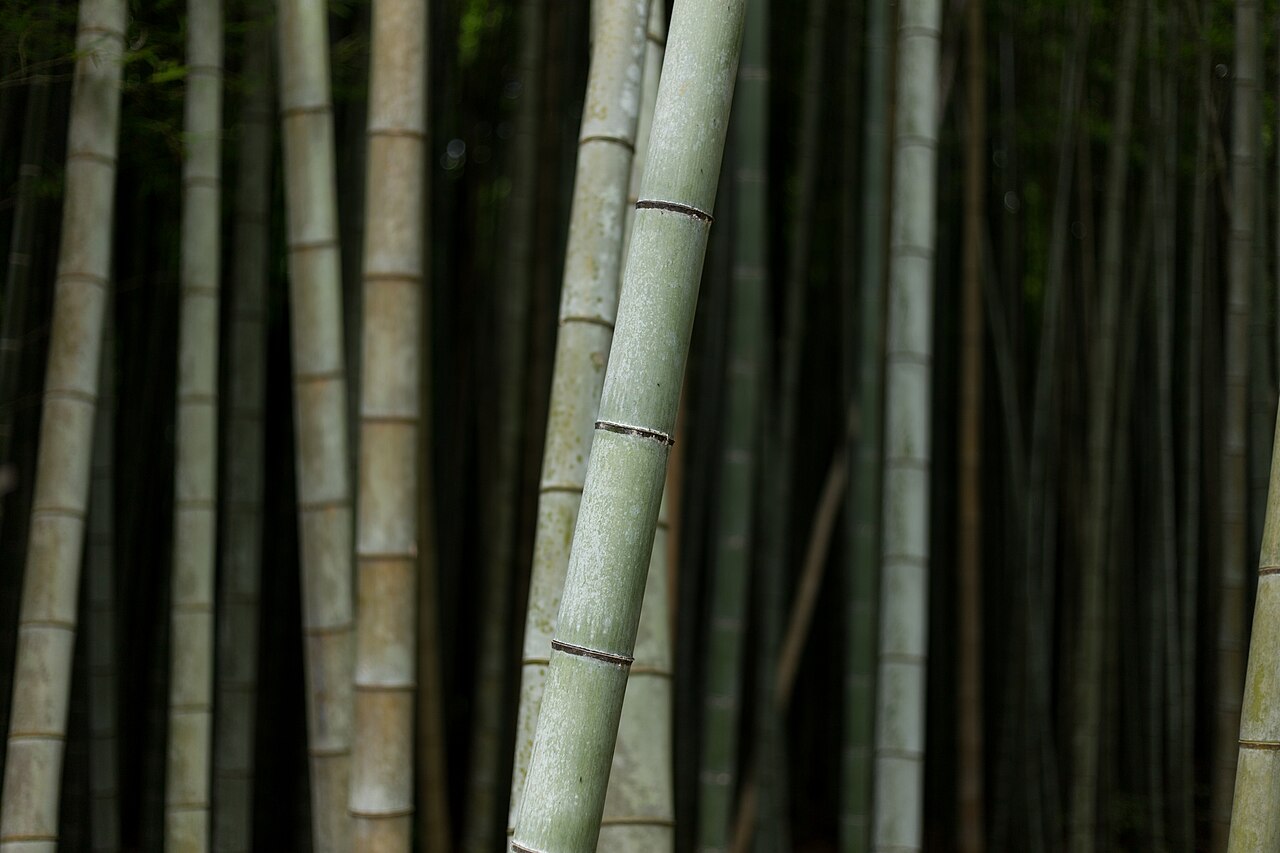
Our view: Arashiyama works as a base if scenery and early mornings matter more to you than dining options. If you only want to see the area, a day trip from a central base is simpler. For the onsen experience that some ryokan offer, read our onsen etiquette guide first.
Ohara, Kurama and Kibune: far from the centre
The guide describes the Ohara, Kurama and Kibune area as one where the Ohara, Kurama and Kibune area is about an hour away from Kyoto Station and suits those who want a relaxing time away from the bustle of the city[8]. Our view: this is for a second or third visit, or for a deliberately slow stay. For a first trip, stay in the centre and treat these areas as a day trip.
How to choose in two minutes
| Your priority | Start with |
|---|---|
| Simple arrival and departure | Kyoto Station area |
| Eating, shopping and walking | Shijo-Kawaramachi |
| Traditional atmosphere | Gion and Higashiyama |
| Quiet and local feel | Gosho and Nijo Castle |
| Scenery and early mornings | Arashiyama |
Booking tips
- Compare cancellation rules. Flexible rates cost more but protect you if plans change.
- Check the check-in and luggage policy. The official guide notes that there are lockers and luggage services around Kyoto Station, which helps on arrival day.
- Read the room details. Room sizes and what is included differ by property, and the listing is the reliable source.
- Check availability as soon as your dates are fixed. The official guide says the Kyoto Station area makes it relatively easy to find vacancies even in peak seasons; for other areas it gives no such statement, so do not assume.
You can compare options and cancellation terms on Booking.com or Agoda. If you would rather have guided experiences handled in one booking, tours on Klook are an option.
How this fits in your trip
Kyoto often sits in the middle of a longer route. Our 7-day itinerary shows a plan with three nights in Kyoto, and our Tokyo area guide covers the other half of the trip. Sort out transit payments with our IC card guide.
FAQ
What is the best area to stay in Kyoto for first-timers?
Our view is the Kyoto Station area or Shijo-Kawaramachi. The official guide describes the Kyoto Station area as having many large hotels and business hotels, and Shijo-Kawaramachi as a commercial district with a wide range of lodging.
Is it better to stay in Gion?
It suits travellers who want a distinctly Kyoto atmosphere, and the official guide recommends it for special occasions. Check the access to the station before you book.
Do I need to take buses in Kyoto?
The official guide says buses can be very crowded depending on the season and recommends trains and subways. Choose a hotel with good rail or subway access.
How long does it take to reach sights from the centre?
According to the official guide, one-way access to most locations in the central part is possible within an hour.
Should I stay in Arashiyama?
Only if you prioritise scenery and quiet. The official guide notes that restaurants and cafes there tend to close early.
Sources
- Size of central Kyoto: Kyoto City Tourism Association: Choosing accommodation, key features of each area
- Getting around Kyoto: Kyoto City Tourism Association: Choosing accommodation, key features of each area
- Kyoto Station area lodging: Kyoto City Tourism Association: Choosing accommodation, key features of each area
- Shijo-Kawaramachi lodging: Kyoto City Tourism Association: Choosing accommodation, key features of each area
- Gion and Higashiyama lodging: Kyoto City Tourism Association: Choosing accommodation, key features of each area
- Kyoto Gosho and Nijo Castle area: Kyoto City Tourism Association: Choosing accommodation, key features of each area
- Arashiyama area: Kyoto City Tourism Association: Choosing accommodation, key features of each area
- Ohara, Kurama and Kibune: Kyoto City Tourism Association: Choosing accommodation, key features of each area