Japan Rules for Visitors: Smoking, Drinking, Tattoos and Drugs
Some links on this page are affiliate links. If you book or buy through them we may earn a commission at no extra cost to you. We only recommend things we would use ourselves.
Japan is easy to visit, but a few local rules catch first-time visitors out: where you may smoke, what outdoor drinking looks like, how tattoos are treated at baths and pools, and how seriously drug laws are enforced. The Japan National Tourism Organization (JNTO) has a page on exactly these points, and this guide walks through it.
Where we add advice, we label it "Our view", so you can tell JNTO's guidance from our opinion. JNTO also notes that ignorance of the local laws is not accepted as a valid line of defense[1], which is a good reason to read the rules before you travel.
Carry your passport
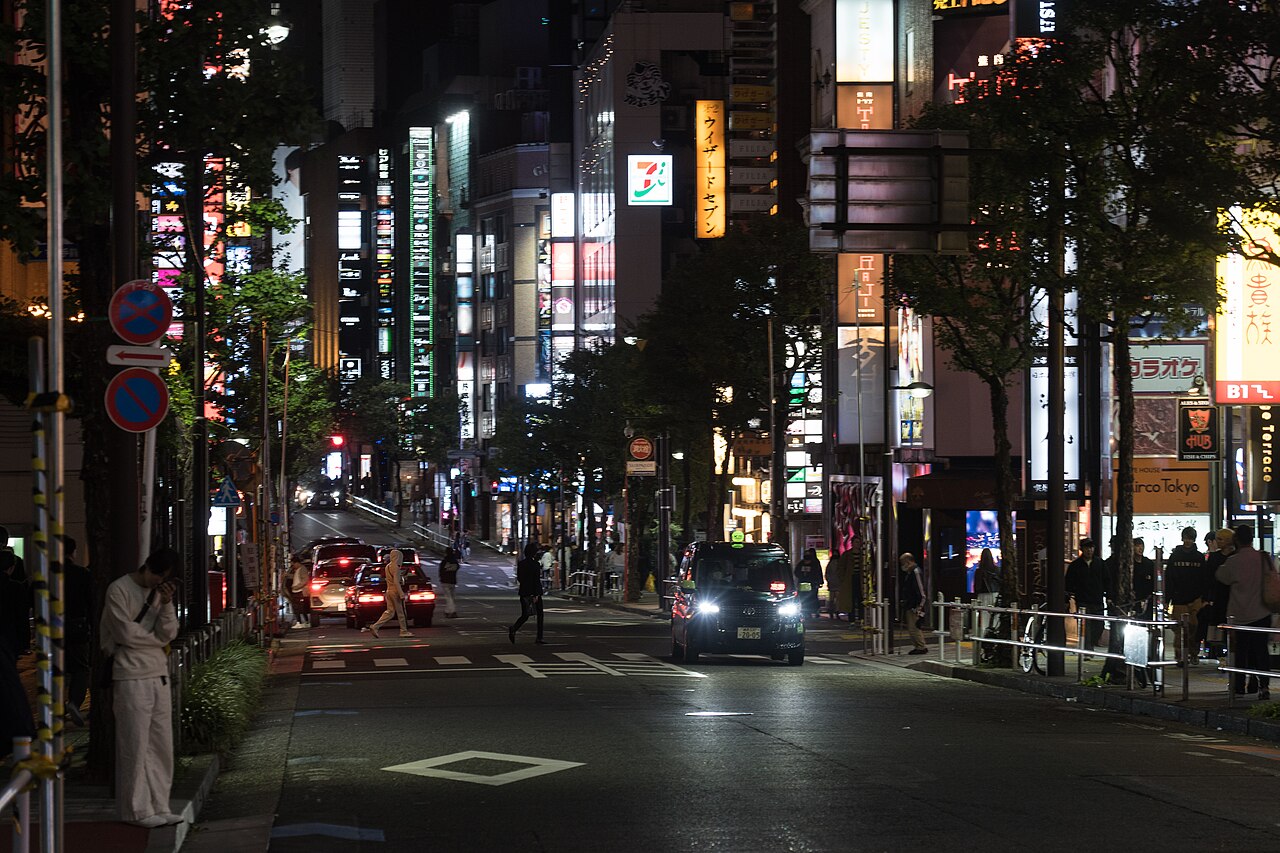
JNTO's first point is practical: you should carry your passport with you at all times as a form of identification[2].
Our view: keep the passport in a bag you control, not in a hotel room, and keep a photo of it in your phone as a backup. Our visa and entry guide covers what else to check before you arrive.
Smoking
On smoking, JNTO says smoking is not allowed in most restaurants and bars, except in designated areas[3]. It also says the smoking rule is strictly enforced, especially in the main cities, and can result in a fine, so JNTO advises finding a smoking area rather than smoking while walking[4].
Drinking outdoors
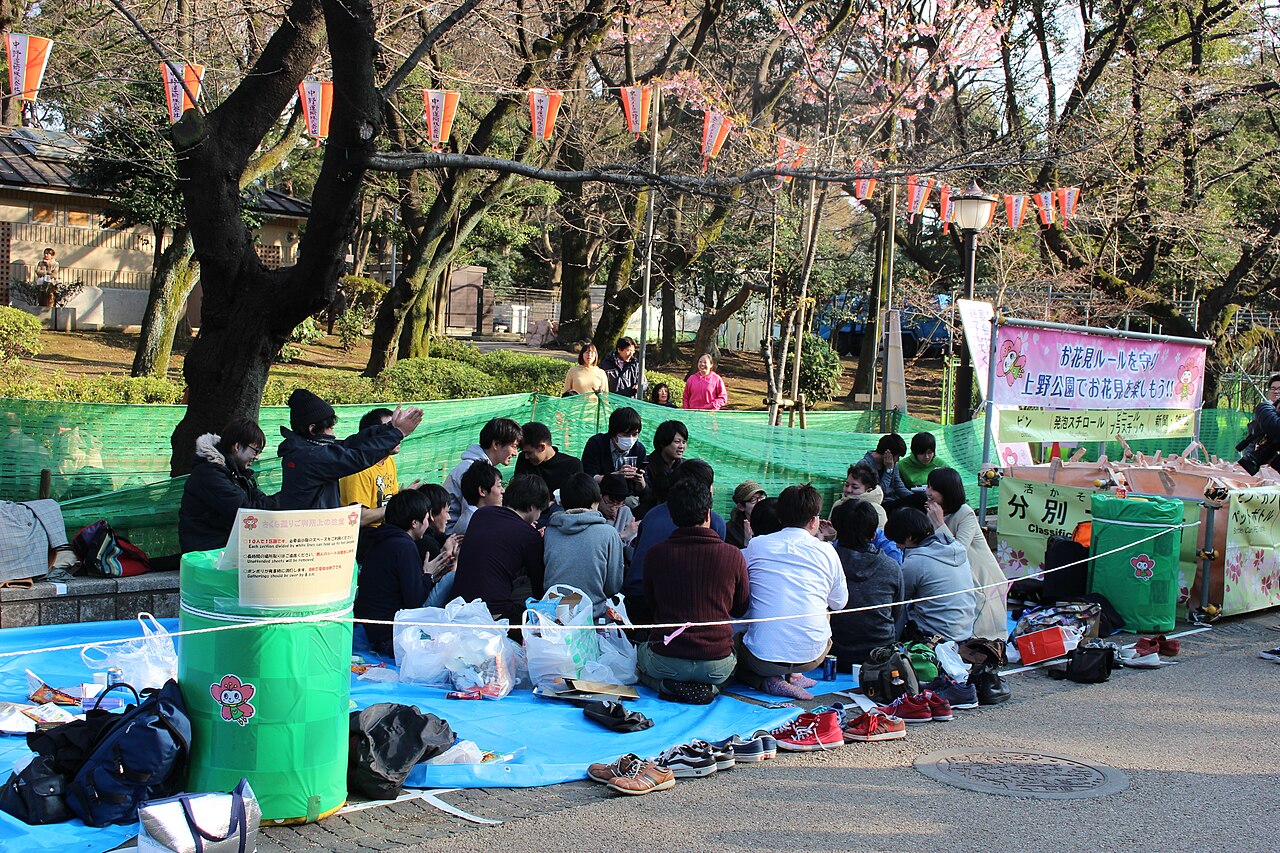
The JNTO page explains that drinking outside does not violate any laws and is part of the culture, especially during hanami season, but loud and boisterous behavior is not part of Japanese culture[5]. It also asks you to remember that you should take any litter home with you[6].
Our view: the practical rule is to follow the lead of the people around you. In a park under cherry blossoms you will see picnics, and our cherry blossom guide explains when and where that happens. A quiet group with its rubbish bagged up is exactly what JNTO is describing.
Tattoos
Tattoos are the rule visitors worry about most. JNTO says many public swimming pools, public baths, hot spring resorts, and gyms prohibit entry to anyone with tattoos, even small ones[7]. It adds that the rules are loosening slightly, and some establishments will simply ask you to cover any tattoos up, but JNTO advises researching in advance to avoid disappointment[8].
Our view: if you want to use an onsen or public bath, check the venue's own rules before you go, and ask whether covering is accepted. Our onsen etiquette guide explains the bathing steps and what the official tourism pages say about tattoos.
Drugs
On drugs, the JNTO page is blunt: there is zero tolerance towards any kind of drug-related crime[9]. It names the case many visitors assume is different: cannabis is treated in the same way as other drugs, and possession of a small amount can lead to a prison sentence, even if it is prescribed in your country of origin[10].
Our view: do not bring any medicine that you are unsure about without checking the rules first. Your embassy can tell you which medicines need paperwork.
How to apply these rules day to day
A few small habits cover most of what JNTO describes. Our view: treat each rule as a question to answer once, then forget about it.
- On arrival: decide where your passport will be kept each day, and keep the copy on your phone.
- At a restaurant or bar: if you smoke, ask where the designated area is before you order, not after the meal.
- In a park or at a festival: if you plan a picnic, bring a bag for your rubbish and take it with you when you leave.
- At a bath, pool or gym: check the written rules on the venue's website, and if the rules are unclear, ask before you pay.
- With medicines: if you are unsure about an item, ask your embassy or the airline before you pack.
What these rules mean for your trip
None of the points above should stop you from visiting. They are a reminder to plan a few small things.
- Smoking: find designated areas, and do not smoke while walking.
- Outdoor drinking: stay quiet and take your litter with you.
- Tattoos: check each bath, pool or gym in advance.
- Drugs: follow the law strictly, including for items prescribed at home.
- Documents: carry your passport.
If you want a stay where bathing rules are explained at check-in, you can compare ryokan and hotels on Booking.com, or look at guided cultural experiences on Klook. Read each listing's own rules before you book.
Related guides
Our 7-day itinerary shows a first trip route, and our travel insurance guide covers emergency numbers and the visitor hotline.
FAQ
Do I need to carry my passport in Japan?
JNTO says you should carry your passport with you at all times as a form of identification.
Can I smoke on the street in Japan?
JNTO says smoking is not allowed in most restaurants and bars except in designated areas, and the smoking rule is strictly enforced and can result in a fine. Find a smoking area.
Can I drink alcohol outdoors?
JNTO says drinking outside does not violate any laws and is part of the culture, but loud and boisterous behavior is not, and you should take your litter home.
Can I use a hot spring with a tattoo?
JNTO says many baths, pools, hot spring resorts and gyms prohibit entry to anyone with tattoos, even small ones, while some establishments will ask you to cover them, and it advises researching in advance.
Is cannabis treated differently in Japan?
No. JNTO says cannabis is treated in the same way as other drugs, and possession of a small amount can lead to a prison sentence.
Sources
- Ignorance of the law: JNTO: Local Laws
- Carry your passport: JNTO: Local Laws
- Smoking rules: JNTO: Local Laws
- Smoking fines: JNTO: Local Laws
- Drinking outdoors: JNTO: Local Laws
- Litter: JNTO: Local Laws
- Tattoo rules: JNTO: Local Laws
- Covering tattoos: JNTO: Local Laws
- Drug laws: JNTO: Local Laws
- Cannabis: JNTO: Local Laws