Onsen Etiquette for First-Timers, Including Tattoo Rules
Some links on this page are affiliate links. If you book or buy through them we may earn a commission at no extra cost to you. We only recommend things we would use ourselves.
Using an onsen is simple once you know four things: wash thoroughly before you get in, keep your washcloth out of the water, expect full nudity, and check the tattoo policy before you go. Most of the stress for first-timers comes from not knowing these rules in advance.
This guide uses the Japan National Tourism Organization's own pages on onsen, linked in the Sources box. Where we give advice that is not from those pages, we label it as our view.
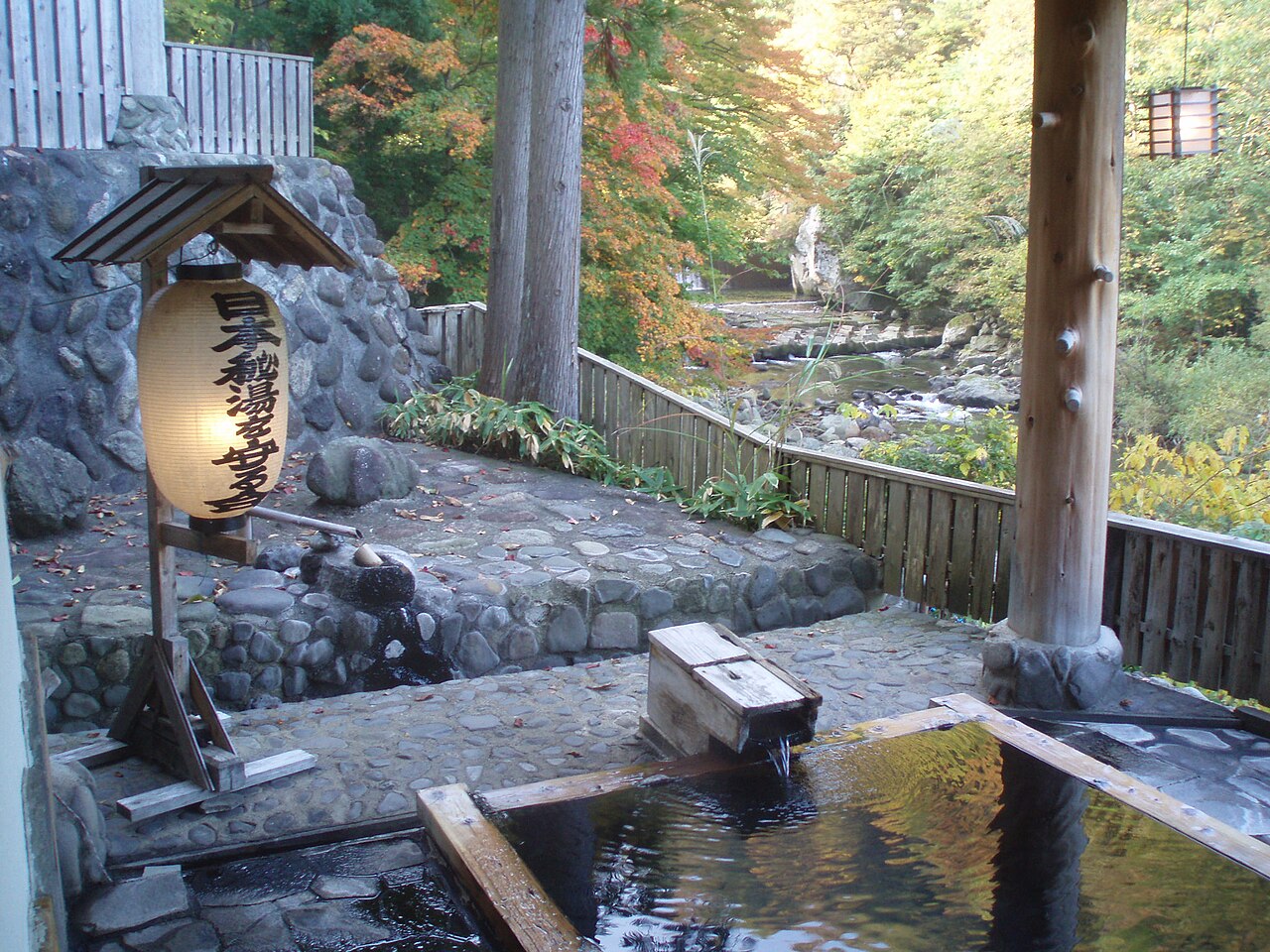
The order of an onsen visit
The first and last steps include our own advice; the middle steps come from the tourism organisation's guide, which we quote below.
Nudity and tattoos: check first
The tourism organisation says that the majority of onsen in Japan prohibit tattooed guests and require full nudity in the bathing room, and it is still best to inquire at your onsen of choice before visiting[1]. It adds that some establishments are now more relaxed or offer more options for modest travellers, but that it is still best to inquire before visiting.
Our view: do this before you travel, not at the entrance. Look at the facility's website or ask your accommodation, and have an alternative in mind. The same organisation's guide on tattoos describes private baths as one option, which we cover below.
Wash first, then soak
The tourism organisation explains that showers or cleansing areas are found between the changing area and the onsen, and that you sit on a small stool and wash with the shower or small bucket, making sure no trace of soap is left, before entering the water[2]. It also says to shower first and dip later.
Our view: treat the wash as the part of the visit that matters most to other bathers, because everyone shares the same water. Take your time, and rinse the area around your seat when you finish.
The towel
The guide says that small washcloths are provided to cover your intimates and are the only things you can bring to the onsen room[3]. On what to do with it in the bath, it says that the washcloth must not touch the onsen water; leave it to the side of the bath or balance it on your head[4]. It also advises that once you are done, you pat yourself dry and do not leave your towel by the showers.
Private baths, and what they cost
If you are uncomfortable with a shared bath or have a tattoo, the tourism organisation's tattoo guide describes private baths. It says that private kashikiri onsen almost always cost extra and need to be reserved in advance or at the front desk, where you receive a key[5]. It also says that many accommodations offer completely private en-suite onsen included in the price of the room.
On cost, the same guide says that a public onsen at an accommodation is almost always free of charge for overnight guests[6]. Read the booking details for your accommodation to see what applies to you.
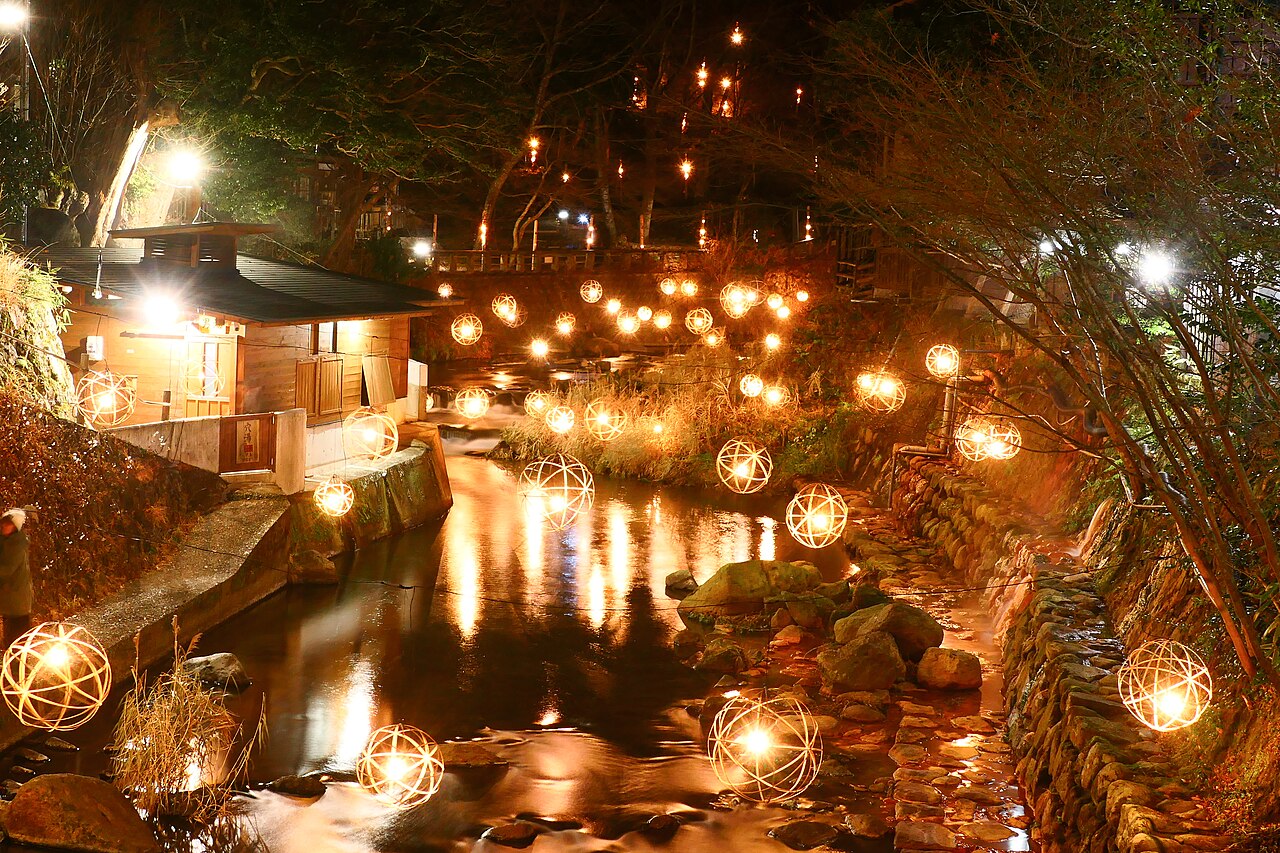
Types of baths you may see
The guide notes that onsen are traditionally built to be shared, and that many are also available for private use. On open-air baths, it says that open-air onsen are called rotenburo[7]. It also mentions geothermal footbaths, called ashinoyu, which are often found near a station or the centre of a town and, in our view, are a lower-commitment way to try the experience.
Before you go: a short checklist
- Check the facility's tattoo policy on its website or by asking.
- Decide whether you want a shared or a private bath.
- Take only what the facility allows into the bathing room; the official guide says this is just the small washcloth.
- Bring something to dry with and a change of clothes.
- Follow the signs and staff instructions at each facility, because rules can differ.
Staying at an onsen accommodation
An accommodation with its own bath is the easiest way to try an onsen, because the rules and the cost are explained when you book. You can compare options and cancellation terms on Booking.com. If you would rather join an organised experience, you can look at guided options on Klook. Check what is included in each booking.
If you are planning a wider trip, our guide to where to stay in Kyoto mentions ryokan and areas with hot spring lodging, and our day trips guide covers Hakone, where the tourism organisation's itinerary lists highlights such as strolling through breathtaking modern art in the fresh air and unwinding at a historic hot spring hotel[8].
FAQ
Do I have to be naked in an onsen?
According to the tourism organisation, the majority of onsen require full nudity once you enter the bathing room. Small washcloths are the only thing you can bring in.
Can I enter an onsen with a tattoo?
The tourism organisation says the majority of onsen prohibit tattooed guests, though some are more relaxed. It is best to inquire at the facility before you visit.
Do I wash before getting in?
Yes. The tourism organisation says to shower first and dip later, sitting on a small stool and making sure no trace of soap is left.
What do I do with the small towel?
Do not let it touch the onsen water. Leave it to the side of the bath or balance it on your head, as the tourism organisation describes.
Is there a private option?
Yes. The tourism organisation describes private kashikiri onsen, which usually cost extra and need to be reserved, and en-suite private onsen that some accommodations include in the room price.
Sources
- Nudity and tattoo rules: Japan National Tourism Organization: A beginner's guide to onsen
- Washing before bathing: Japan National Tourism Organization: A beginner's guide to onsen
- What to bring into the bathing room: Japan National Tourism Organization: A beginner's guide to onsen
- Towel etiquette: Japan National Tourism Organization: A beginner's guide to onsen
- Private onsen: Japan National Tourism Organization: Onsen hot springs, on tattoos and etiquette
- Cost of public onsen at accommodations: Japan National Tourism Organization: Onsen hot springs, on tattoos and etiquette
- Open-air onsen: Japan National Tourism Organization: Onsen hot springs, on tattoos and etiquette
- Highlights of the official Hakone itinerary: Japan National Tourism Organization: Hakone itinerary