Luggage Forwarding in Japan: How Takkyubin Works
Some links on this page are affiliate links. If you book or buy through them we may earn a commission at no extra cost to you. We only recommend things we would use ourselves.
You do not need to carry a large suitcase through Japan's busy stations. The country has a luggage forwarding network, called Hands-Free Travel by the national tourism organisation, that lets you send bags between an airport, your hotels and your next city, so that you travel with only a day bag.
This guide uses the Japan National Tourism Organization's pages on luggage, linked in the Sources box. Prices and counters change, so we send you to the provider for current figures. Where we give an opinion, we label it as our view.
What Hands-Free Travel is
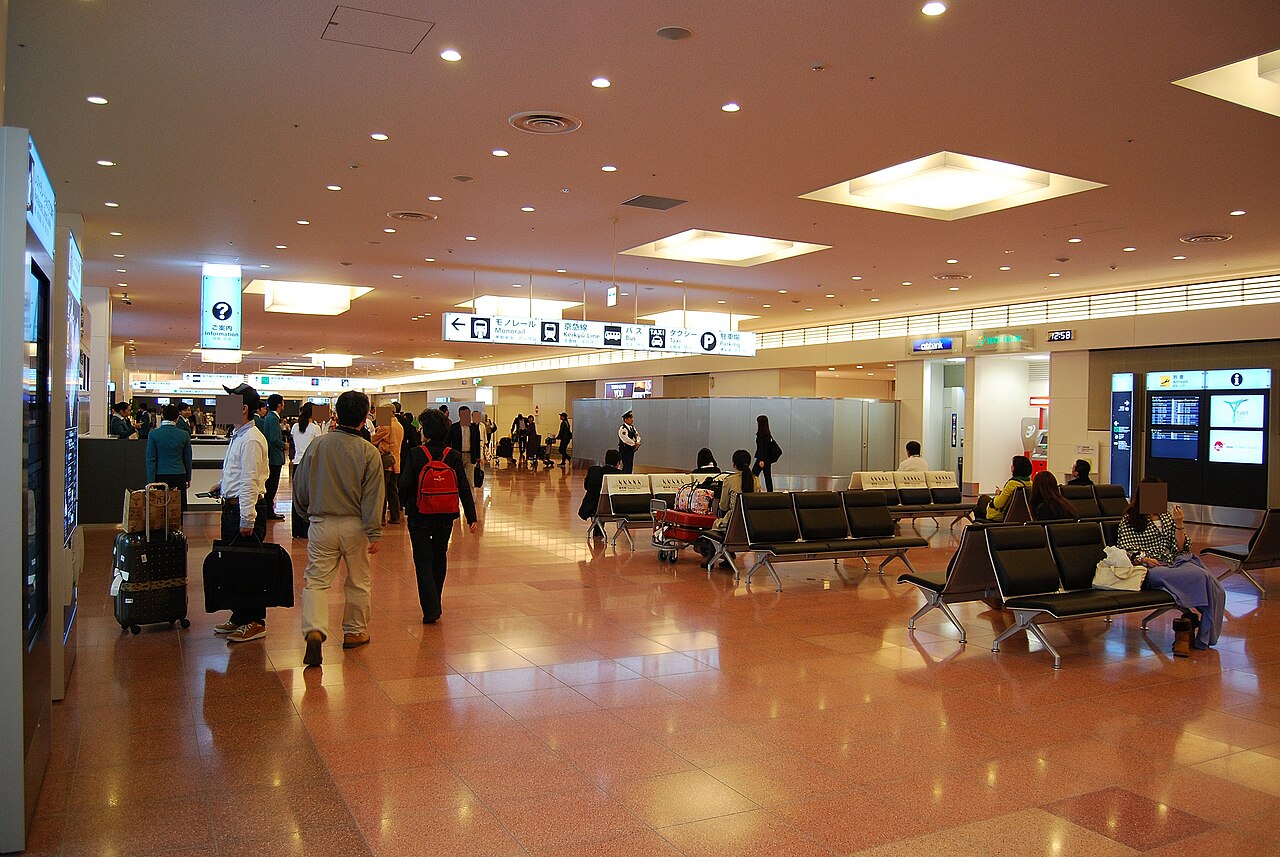
The tourism organisation says that visitors can use Japan's delivery and storage services to travel hands-free, and service counters certified as Hands-Free Travel are marked with a logo[1]. It adds that you can find the services at airports, stations and hotels.
For airports, the official page says that Narita, Haneda and Kansai International Airport all offer luggage delivery services where you can drop your luggage off to be delivered to your hotel[2]. Our view: this is the most useful way to start a trip, especially if your hotel check-in is later in the day or you want to go straight to sightseeing.
Hotel to hotel, and from a convenience store
Between cities, the page explains that most major hotels can arrange luggage delivery between hotels, and you can ask the front desk how to send your baggage to your next destination[3]. It also says that even if you are not staying in a large hotel, you can drop your bags off at a designated convenience store to be sent on[4].
A second JNTO page gives the reason for doing this on a rail trip: on trains there is limited storage space, so you can have your luggage sent to your next accommodation[5]. Our view: if you plan to move between Tokyo, Kyoto and Osaka, sending your main bag ahead on travel days is the simplest way to make the journey easier. See our 7-day itinerary for a route where this helps.
Timing and booking
The second JNTO page notes that some services offer same-day delivery if you send before 11am, and between cities some companies offer same-day delivery if dropped off before 11am depending on the distance[6]. For sending a bag from your hotel to the airport, it says that options for sending luggage from your hotel to the airport all require advance booking at least a day ahead[7].
Our view: do not leave a hotel-to-airport transfer to the morning of your flight. Ask the front desk the day before, and confirm where you will collect the bag.
What you can and cannot send
The official page gives limits: items should not exceed 160 linear cm, should weigh within 25 to 30 kg, and contents should be under 300,000 yen in value[8]. On what is refused, it says that valuables, fragile items, fresh products and liquids, and dangerous and hazardous materials cannot be accepted[9].
On the risk side, it adds that compensation for damaged or lost items is provided, the amount may vary depending on the carrier, and a shipment tracking service is available[10]. Our view: read the provider's terms for the compensation limit before you send anything that would be hard to replace.
Who provides the service
The JNTO guide names several providers: Yamato operates nationwide, Sagawa Express has drop-off counters at train stations and tourist centres in Tokyo, and pickup services such as Luggage-Free Travel, QL Liner and Airporter are listed[11]. The first JNTO page lists Yamato and JAL ABC among the carriers for Hands-Free Travel, and tells you to ask about counter locations on the logo's official list.
On cost, the official page explains that the fee varies according to the airport, shipping destination and size of the luggage[12]. A second page gives an example range: most companies charge between 2,000-3,000 yen to deliver a piece of check-in luggage (up to 30kg; 160cm dimension), according to a page dated 14 November 2018[13]. Because that page is dated, treat it as a rough guide and ask the provider for a current quote.
If you only need to store a bag
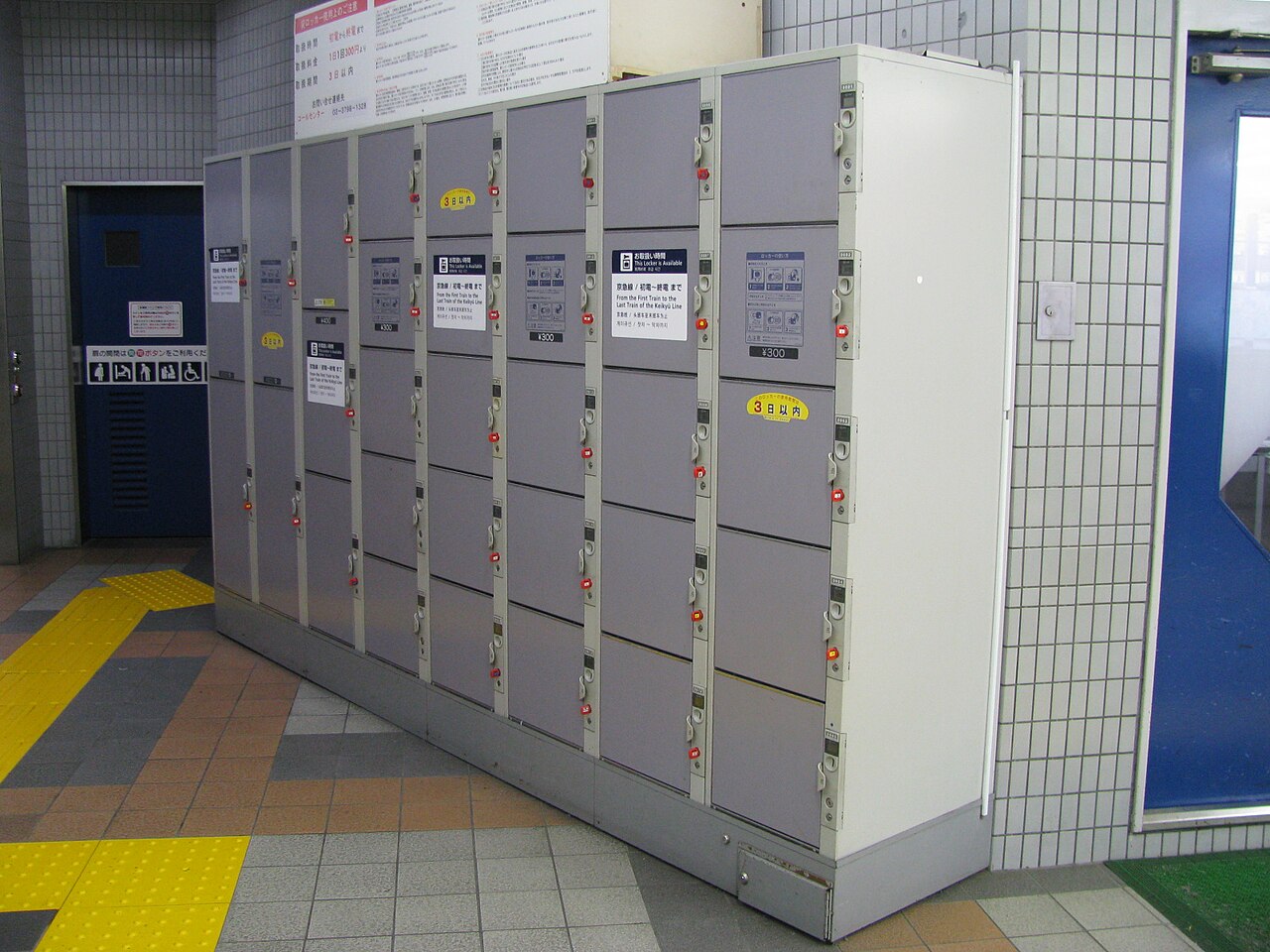
Not every day needs delivery. For simple storage, the tourism organisation notes that coin lockers of various sizes are available at most stations and tourist facilities, and in very busy locations the lockers fill up very quickly[14]. Our view: for a day trip with a changing-station stop, a locker is faster than forwarding; for a longer move, forwarding is better.
| Your situation | What we suggest |
|---|---|
| Arriving with large bags | Airport counter to your hotel |
| Moving between cities by train | Hotel to hotel the day before |
| Flying home | Hotel to airport, booked in advance |
| A few hours of sightseeing | A station coin locker |
A simple checklist
- Ask your hotel first. Many hotels can arrange the transfer for you.
- Write down the address in Japanese. Our view is that having it ready at the counter avoids mistakes.
- Keep your receipt and tracking number. The official page says a tracking service is available.
- Allow extra time. Plan for the bag to arrive after you do on some routes.
- Check size limits. A bag over the limit may be refused.
If you prefer a guided day with transport handled for you, you can browse options on Klook. Check what is included and the cancellation terms before booking.
How this fits in your trip
Forwarding makes the most sense on a multi-city route. Our IC card guide covers paying for trains once your bags are sorted, our rail pass guide helps you decide on long-distance tickets, and our Tokyo area guide can help you choose a base near the station.
FAQ
What is Hands-Free Travel?
It is the national tourism organisation's name for Japan's luggage delivery and storage services, with certified counters marked by a logo.
Can I send luggage from the airport to my hotel?
Yes. The official page says Narita, Haneda and Kansai International Airport all offer luggage delivery services to your hotel.
What can I not send?
The official page lists valuables, fragile items, fresh products and liquids, and dangerous and hazardous materials.
Do I need to book in advance?
For sending luggage from a hotel to the airport, the JNTO guide says all options require advance booking at least a day ahead.
Is there a size limit?
The official page gives limits of 160 linear cm and a weight within 25 to 30 kg, but the exact limits depend on the carrier, so confirm with the provider.
Sources
- What Hands-Free Travel is: Japan National Tourism Organization: Luggage & Storage
- Airport luggage delivery: Japan National Tourism Organization: Luggage & Storage
- Hotel-to-hotel delivery: Japan National Tourism Organization: Luggage & Storage
- Convenience store drop-off: Japan National Tourism Organization: Luggage & Storage
- Why forward luggage by train: Japan National Tourism Organization: Travel around Japan luggage-free
- Same-day delivery: Japan National Tourism Organization: Travel around Japan luggage-free
- Hotel to airport booking: Japan National Tourism Organization: Travel around Japan luggage-free
- Size, weight and value limits: Japan National Tourism Organization: Luggage & Storage
- Items that cannot be sent: Japan National Tourism Organization: Luggage & Storage
- Compensation and tracking: Japan National Tourism Organization: Luggage & Storage
- Luggage carriers named by JNTO: Japan National Tourism Organization: Travel around Japan luggage-free
- How fees are set: Japan National Tourism Organization: Luggage & Storage
- Price range reported by JNTO: Japan National Tourism Organization: Travel around Japan luggage-free
- Coin lockers: Japan National Tourism Organization: Luggage & Storage