Fushimi Inari Taisha: How to Get There and How to Plan Your Walk
Some links on this page are affiliate links. If you book or buy through them we may earn a commission at no extra cost to you. We only recommend things we would use ourselves.
Fushimi Inari Taisha is the Kyoto shrine famous for its path of vermilion torii gates, and it is one of the easiest major sights to reach by train. The official Kyoto tourism association gives clear access advice, including one bus route it tells visitors to avoid.
This guide follows the Kyoto City Tourism Association's own pages for access and for the shrine. Where we add opinion, we label it "Our view", so sourced information and editorial advice stay separate.
What Fushimi Inari Taisha is
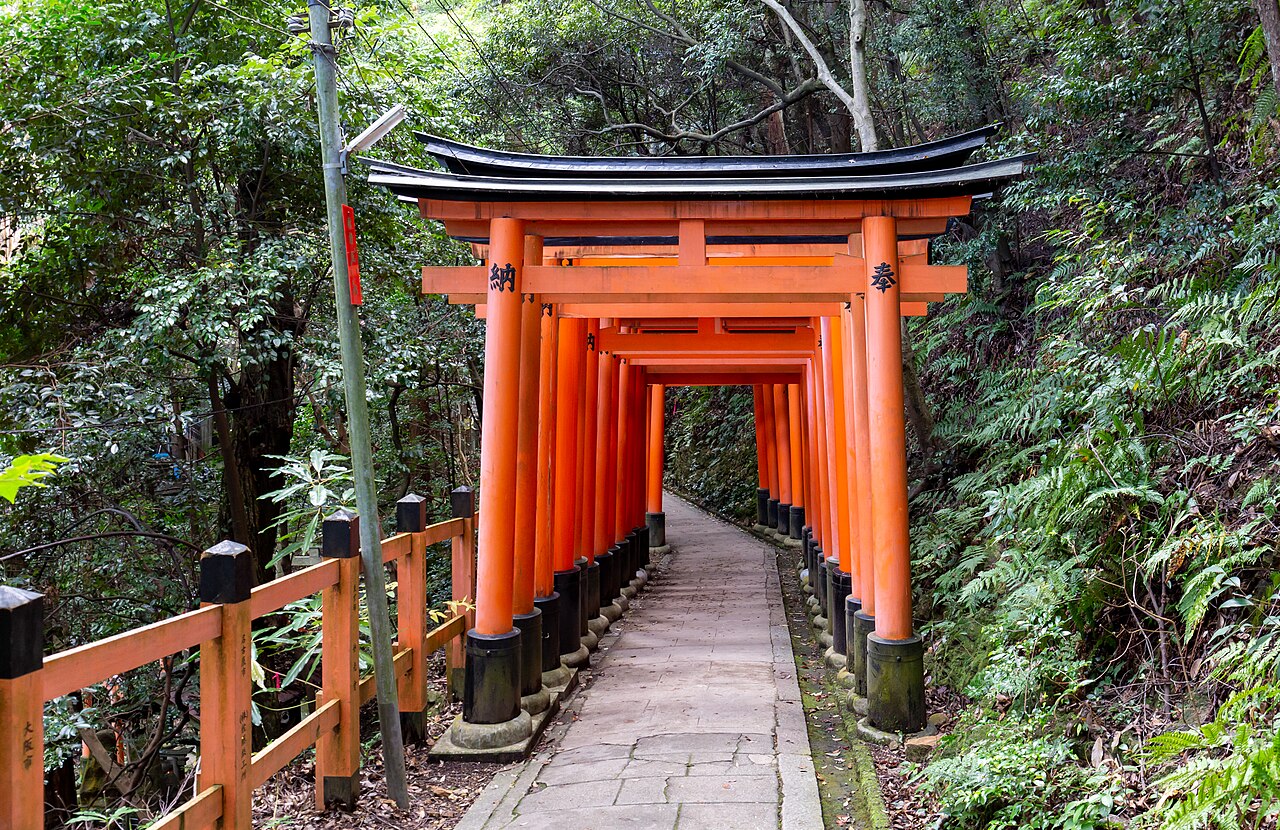
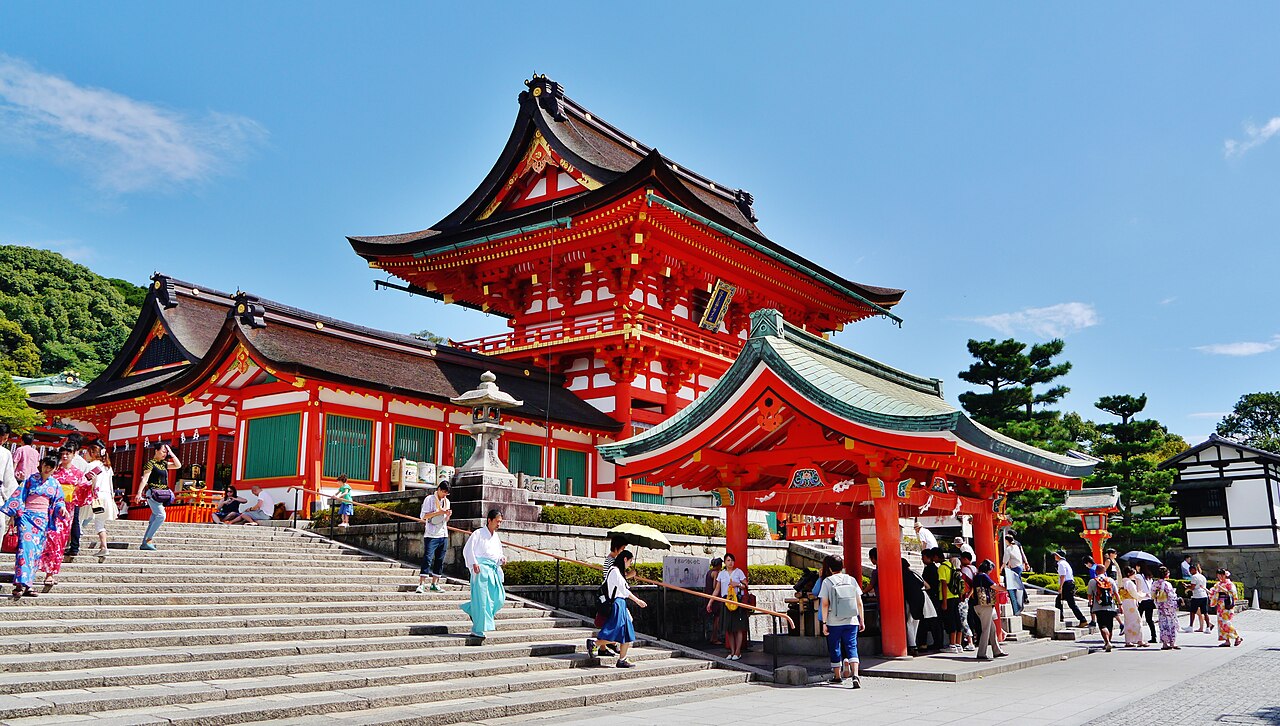
The Kyoto tourism association says the shrine was dedicated to the god of rice and sake by the Hata clan in the 8th century[1]. It also says that over 5000 vibrant orange torii gates wind through the hills behind the shrine[2].
The same page adds that the shrine is the central location for some 40,000 Inari shrines throughout Japan[3]. Our view: this is useful context, because you will notice small Inari shrines elsewhere in Japan and now know where the tradition centres.
Getting there from Kyoto Station
The official access page recommends the JR Nara Line from Kyoto Station, and gives about 9 minutes from Kyoto Station by the JR Nara Line[4]. It adds that all rapid trains and local trains on the JR Nara Line stop at JR Inari Station[5], so you do not need to look for a particular train type. On arrival, after getting off at JR Inari Station you will immediately see a large red torii gate and the main approach to the shrine[6].
Our view: for most visitors the JR route is the simplest, because it is short, direct and ends at the shrine entrance.
Getting there from Shijo-Kawaramachi
If you are staying around Shijo-Kawaramachi, the official guide recommends the Keihan line: about 22 minutes from Keihan Gion-shijo Station to Fushimi Inari Station[7]. It warns that limited express trains do not stop at Fushimi Inari Station[8], so check the train type before you board.
After you arrive, you walk east for about 5 minutes from Fushimi Inari Station, through a temple town of souvenir shops and Kyoto-style restaurants[9]. Our view: leave a little extra time for this walk, since the shops and restaurants along the way are an easy place to lose half an hour.
What to expect on the path
The tourism association describes the path behind the main buildings: the walk around the upper precincts is a pleasant day hike[11]. It also says the path makes for a delightfully eerie stroll in the late afternoon and early evening[12].
Our view: the full path is a hike, so wear comfortable shoes and decide before you start how far you want to walk. You do not have to complete the whole path to see the gates. Turning back partway is a perfectly good choice.
Fox statues
You will see stone foxes around the shrine. The official page explains that the fox is seen as the messenger of the god of grain foods, Inari, and the keys often shown in the fox mouths are keys to granaries[13]. Our view: knowing this makes the statues much more interesting than treating them as decoration.
Managing crowds
The official Fushimi area page points visitors to crowd information: the official area page lists congestion forecast data and live streaming for Fushimi under its tips[14]. Our view: check it before you go, and if the shrine looks busy, consider the late afternoon and early evening when the path is described as atmospheric.
A guided visit
The Kyoto City Tourism Association also lists a guided option: the official Kyoto City Visitors Host tour is a 60-minute English guided tour that includes a Kagura performance, and it does not run on days when events or festivals are held at the shrine[15]. The page asks that photos and videos are not allowed during the Kagura performance on that tour[16]. Check dates and availability on the booking page first.
Guided experiences are also sold on GetYourGuide, Klook and Viator. Compare what each includes, the meeting point and the cancellation terms before you book.
Beyond the shrine: sake in Fushimi
The area around the shrine has more to offer than the gates. The tourism association says Fushimi is one of Japan's most prominent sake brewing centers, with over 20 breweries[17]. Our view: if you like sake, a stop in the Fushimi town centre is a good way to turn a short visit into half a day, and you can reach it with the Kintetsu or Keihan lines.
How to fit it into your Kyoto plan
Our view: pair Fushimi Inari with something near Kyoto Station, since the JR ride is short. Our 7-day itinerary shows where it can go in a longer route, and our Nara day trip guide is a good follow-up if you have another day. If you are using a transit card for the trains, our IC card guide explains how to set one up.
FAQ
How long does it take to get to Fushimi Inari from Kyoto Station?
The official access page says about 9 minutes on the JR Nara Line, getting off at JR Inari Station.
Which trains stop at JR Inari Station?
According to the official page, all rapid trains and local trains on the JR Nara Line stop there.
Do Keihan limited express trains stop at Fushimi Inari Station?
No. The official page says limited express trains do not stop at Fushimi Inari Station, so choose another train type.
Which bus should I avoid?
The official page recommends trying to avoid the City Bus South No. 5, because its travel time is expected to vary by a large margin.
How many torii gates are there?
The Kyoto tourism association says over 5000 vibrant orange torii gates wind through the hills behind the shrine.
Sources
- Shrine history: Kyoto City Tourism Association: Fushimi Inari Taisha Shrine
- Torii gates: Kyoto City Tourism Association: Fushimi Inari Taisha Shrine
- Inari shrines: Kyoto City Tourism Association: Fushimi Inari Taisha Shrine
- Getting to Fushimi Inari Taisha: Kyoto City Tourism Association: Access to Fushimi Inari
- JR Inari Station: Kyoto City Tourism Association: Access to Fushimi Inari Taisha
- Arrival at JR Inari: Kyoto City Tourism Association: Access to Fushimi Inari Taisha
- Keihan route: Kyoto City Tourism Association: Access to Fushimi Inari Taisha
- Keihan limited express: Kyoto City Tourism Association: Access to Fushimi Inari Taisha
- Walk from Fushimi Inari Station: Kyoto City Tourism Association: Access to Fushimi Inari Taisha
- City Bus South No. 5: Kyoto City Tourism Association: Access to Fushimi Inari Taisha
- Upper precincts walk: Kyoto City Tourism Association: Fushimi Inari Taisha Shrine
- Evening atmosphere: Kyoto City Tourism Association: Fushimi Inari Taisha Shrine
- Fox statues: Kyoto City Tourism Association: Fushimi Inari Taisha Shrine
- Congestion information: Kyoto City Tourism Association: Fushimi area
- Guided tour: Kyoto City Tourism Association: Fushimi Inari guided tour
- Kagura photo rule: Kyoto City Tourism Association: Fushimi Inari guided tour
- Fushimi sake: Kyoto City Tourism Association: Fushimi area